

























































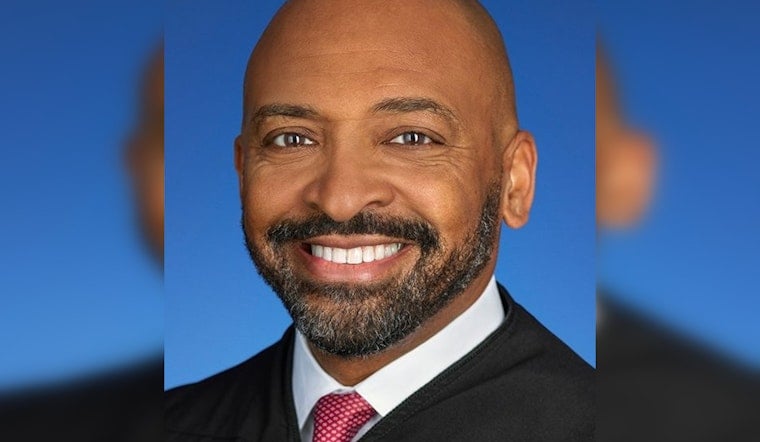
A Miami federal judge has ordered more than $314 million in damages for three U.S. citizens who say they were kidnapped, detained and brutally tortured by Venezuelan security forces before being freed in a 2023 prisoner swap. U.S. District Judge Darrin P. Gayles entered default judgments after the defendants did not respond to the lawsuit, and his 19-page opinion describes the detentions as part of a coordinated criminal enterprise. The award ranks among the largest civil judgments tied to alleged abuses by Venezuelan authorities and adds a sharply worded judicial record to an already growing stack of lawsuits and investigations.
What The Court Found
Judge Gayles entered default judgments against Nicolás Maduro, Colombian businessman Álex Saab, five other former Venezuelan officials and the group known as the "Cartel de los Soles," clearing the way for a damages award that the court said could move forward under the federal Anti-Terrorism Act. The Associated Press reports that Gayles wrote the kidnappings were "one of many crimes committed in order to support Maduro’s dictatorial rule," language he used to frame the defendants' conduct as part of a criminal enterprise.
The Men's Accounts
The plaintiffs, Jerrel Kenemore, Jason Saad and Edgar Marval, sued last year alleging months of abuse at the hands of Venezuela's military counterintelligence agency, known as DGCIM. The Miami Herald reports that the complaint describes repeated beatings, electric shocks, including to Marval's genitals, prolonged isolation, forced inhalation of gasoline and paint fumes and other forms of "white torture." Kenemore says he was kidnapped near the Colombia-Venezuela border in March 2022 and held for 643 days, while Saad says he spent 557 days in custody after being arrested in a local market.
How They Sued and the Hurdles Ahead
All three men brought claims under the federal Anti-Terrorism Act, a rarely used statute that allows U.S. victims of terrorist acts to seek civil damages and, in some situations, try to seize defendants' assets. The Washington Post notes that the court declined to enter judgment against Interim President Delcy Rodríguez after her lawyers appeared in the case and sought dismissal on head-of-state immunity grounds, a claim the plaintiffs dispute. The ruling leaves the door open for separate litigation against her if those immunity arguments are ultimately rejected.
Will They Get Paid?
Turning a multi hundred million dollar judgment into actual money is another battle entirely. Enforcing such an award against foreign officials is both legally and practically difficult, and usually depends on tracking down assets that can be lawfully seized in the United States or in countries willing to cooperate. The Miami Herald also points out that Nicolás Maduro was captured in a U.S. operation on Jan. 3, 2026 and is now in federal detention in New York, a development that could influence how lawyers try to enforce the judgment. Even so, attorneys caution that tracing and attaching overseas holdings tied to senior officials or to the alleged "Cartel de los Soles" is likely to be a long, grinding process.
Why Miami Readers Should Care
Miami's federal courthouse has become a regular stage for legal fallout from Venezuela's political and economic turmoil, and the region's large Venezuelan American community has closely watched both criminal and civil cases tied to the Maduro era. The Washington Post observes that the new ruling lays out a detailed public record of the abuses the plaintiffs describe and could influence how future claims and enforcement efforts unfold in U.S. courts.



