

























































Mikuni Restaurant Group has agreed to pay $2.25 million to settle a class-action and PAGA lawsuit over alleged unpaid work, missed breaks and other wage-and-hour violations. The deal covers more than 3,000 current and former workers at the Japanese restaurant chain’s Northern California locations, including its Concord spot. Settlement payments began going out to employees in late June 2026.
Settlement terms and money
The agreement creates a $2.25 million gross settlement fund that will be used to cover attorneys’ fees, administration costs and payments to class members. Of that total, $200,000 is earmarked for PAGA penalties: 75% ($150,000) goes to the California Labor and Workforce Development Agency and 25% ($50,000) is set aside for aggrieved employees. The paperwork also caps administration expenses and lawyers’ fees at specified amounts and confirms that the fund is non‑reversionary, meaning any leftovers will not return to Mikuni. The filing spells out how individual payments are calculated and distributed, as detailed in documents from Apex Class Action.
What workers alleged and who brought the case
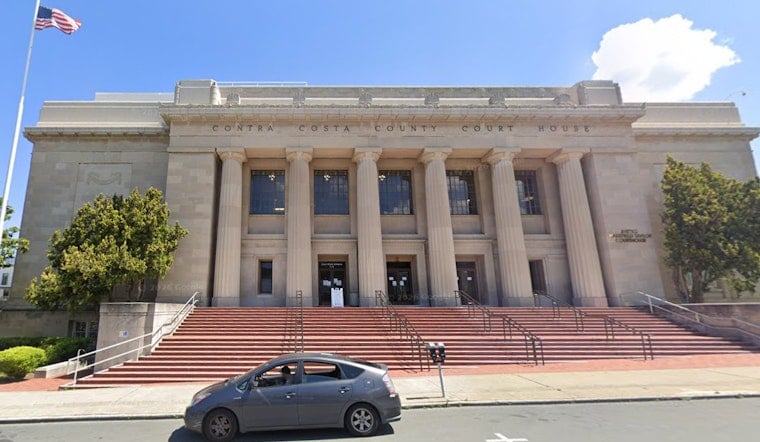
The case was brought by former front-of-house employee Ivorya Geneve, who says she worked at Mikuni’s Concord location from April 2021 through January 2023. In court filings, she alleges that hourly staff were told to perform off-the-clock work, were pressured to skip or cut short meal breaks and were not paid all overtime they were owed. The court identified roughly 3,050 class members and pegged the estimated average individual payment at about $394.43, with the largest checks around $1,412.95 and the smallest roughly $5.74, according to the Contra Costa Superior Court. Mikuni denied the allegations but told local reporters that resolving the case by settlement was the best way to move forward and that the company "has always worked hard to comply with California’s labor laws," according to Abridged.
When payouts went out
The settlement administrator reports that awards were disbursed on June 23, 2026, with a set period for workers to cash their checks before any unclaimed funds are turned over to the state controller. The public case page includes those timelines, along with mailing and email contact information for questions about the settlement, according to Apex Class Action.
Company background and ownership
Mikuni traces its roots to 1987, when Koki and Komichi Arai opened a single restaurant in Fair Oaks. Their son Taro later expanded the brand across the Sacramento region. The chain was sold last year to Vanshow California, the U.S. arm of Tokyo-based Pan Pacific International Holdings. The buyer has said the acquisition is intended to help speed growth toward 50 locations by 2037, as reported by The Sacramento Bee and in Pan Pacific’s public filings.
What the PAGA portion means
Under the PAGA portion of the settlement, most of the penalty money goes to the state, with a smaller slice returning to affected employees. The agreement includes release language covering claims that arose during the class period, and the fund is non‑reversionary. The court documents also state that class members cannot opt out of the PAGA component and that individual shares of the PAGA allocation are calculated on a pro rata basis, using the number of workweeks each person was employed during the class period, according to the settlement paperwork and the court’s minute order.
Workers who believe they are part of the class but have not received a check are directed to contact the settlement administrator, Apex Class Action. Its case page lists a P.O. box, an email address for claims and notes that any uncashed checks will be transferred to the California Controller’s Unclaimed Property Fund after the stated deadline. Those documents, along with the court filing, spell out the key dates and contact details.




