

























































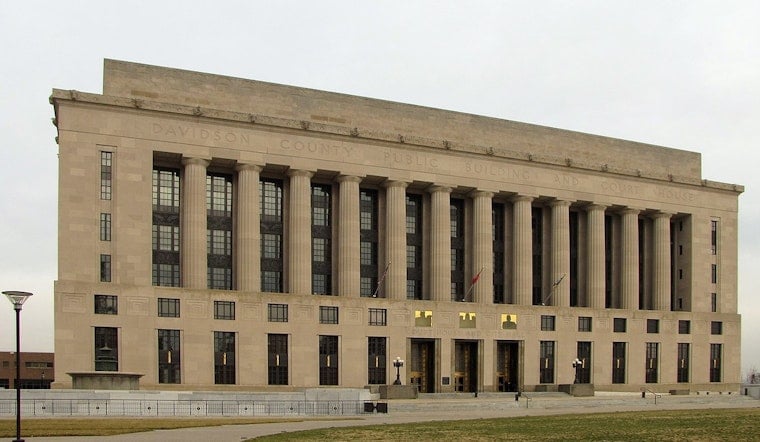
Jury selection in Tennessee’s lawsuit against Meta is scheduled to begin Monday, July 20, 2026, in Nashville. The state accuses Meta of designing Instagram to hook children and teens and is seeking both financial penalties and court orders to change product features. The case asks a Davidson County judge and a Nashville jury to decide whether platform design itself, rather than just third-party posts, can violate state consumer-protection law.
Local reporting says voir dire will start in Davidson County courts and that Tennessee’s complaint singles out Meta leadership, including CEO Mark Zuckerberg, for decisions the state calls harmful to young users, citing internal research and company surveys. As reported by WSMV, the filing highlights a company survey the state says showed more than a quarter of users witnessed bullying in a week, about 8% were bullied and nearly 12% received unwanted advances.
What Tennessee Is Asking For
The attorney general’s office filed the complaint as part of a multistate effort that it says aims to protect children from addictive design features and misleading public statements. According to a press release from the Tennessee Attorney General's Office, the complaint seeks civil penalties and injunctive relief, including restrictions on features the state calls deliberately engineered to cause compulsive use.
Rulings That Shifted The Field
The Nashville case arrives after two high-profile March rulings that signaled juries may be willing to hold platforms accountable. A California jury returned a verdict against Instagram and YouTube in a social-media addiction case this spring, a decision widely reported by national outlets, including PBS NewsHour.
Separately, a New Mexico jury ordered Meta to pay roughly $375 million after finding the company had misled users about safety and enabled child exploitation, a verdict that state prosecutors said reflected violations of that state’s consumer-protection law. The New Mexico outcome was reported alongside national coverage of the wave of litigation. Reuters summarized the judgment and the remedies sought in that case.
What To Watch In Nashville
Courtroom watchers should expect the Tennessee team to lean heavily on internal documents and research about teen users, while Meta’s defense will likely argue that youth mental health is complex and not caused by any single app. WSMV notes the state plans to show internal company research and to argue those materials prove Meta understood the risks but downplayed them publicly. Early rounds of testimony are expected to feature fights over what internal materials jurors will be allowed to see.
Legal Stakes
The complaint frames the claims as violations of Tennessee consumer-protection law and seeks injunctive relief that could include limits on features the state describes as addictive, disclosure requirements, and civil penalties. As the Tennessee Attorney General’s release explains, the case tests whether courts can order platform changes rather than leaving product design solely to companies and market forces. Defendants have signaled they will challenge the legal theory and point to First Amendment and Section 230 arguments that have been central in related litigation.
Jury selection begins Monday, and the outcome in Nashville could influence other state cases and ongoing bellwether litigation nationwide. For local readers, the Davidson County courtroom will be the first place Tennesseans see whether the legal theory that helped shape earlier trials also persuades a Nashville jury.





