

























































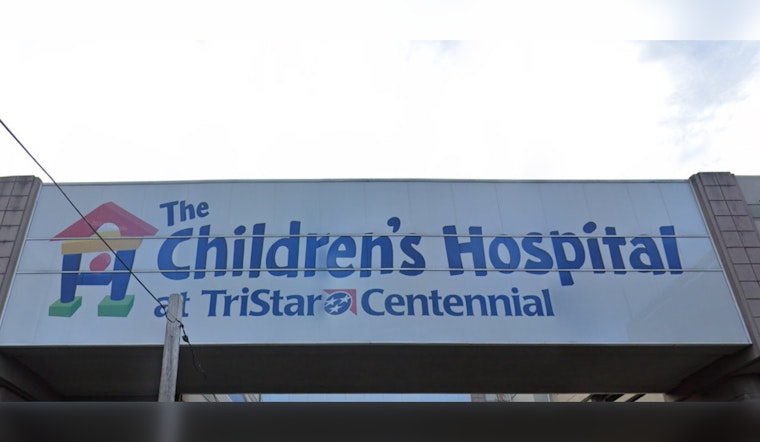
Thirteen-year-old Rickey Buggs has just wrapped up a 42-day hospital stay that his family hopes will rewrite the course of his life. After weeks inside TriStar Centennial Children’s Hospital in Nashville, he was expected to walk out on Thursday, July 2, 2026, as the hospital’s first commercial patient to receive a cutting-edge gene-editing treatment for sickle cell disease. His family calls the decision “a leap of faith” after years of daily pain, emergency visits, and long nights on pediatric floors.
According to WSMV, Buggs, who has lived with sickle cell since infancy, underwent the new therapy under the care of Dr. Haydar Frangoul. Frangoul told WSMV, “This therapy can potentially change his life,” while Buggs described the hospital stay as “a life-changing opportunity” as he prepared to leave the unit and head into a future that, for once, does not revolve around his next pain crisis.
How the treatment works
Per HCA Healthcare, the treatment Rickey received is exagamglogene autotemcel (exa-cel), a one-time, CRISPR-based cell therapy. Doctors collect a patient’s blood-forming stem cells, edit them in the lab so they boost fetal hemoglobin, and then return the edited cells to the body to help stop red blood cells from sickling.
Early pediatric results reported in the New England Journal of Medicine show children treated for sickle cell disease who, in initial follow-up, were free from severe vaso-occlusive crises. To get there, patients first undergo myeloablative conditioning chemotherapy to clear space in the bone marrow, then receive the edited cells and spend months under close monitoring as their new blood system settles in.
Why this matters
Sickle cell disease affects about 100,000 people in the United States and hits Black and other minority communities especially hard, according to the Centers for Disease Control and Prevention. For families in Middle Tennessee who have built their lives around managing pain crises, hospitalizations, and school days lost to fatigue, the possibility of a one-time treatment that could sharply reduce or even eliminate those episodes feels enormous. At the same time, experts stress that questions about long-term safety, who will respond best, and who can actually get access to such therapies are far from settled.
Local access and next steps
HCA Healthcare says TriStar Centennial Children’s Hospital and other sites in its Sarah Cannon network are now offering gene-editing therapies to eligible patients while teams work behind the scenes to expand capacity and secure insurance coverage. Patient information from TriStar Health outlines the long road families must prepare for: initial screening, stem-cell collection, conditioning chemotherapy, infusion of the edited cells, and then extended follow-up. Families considering the therapy are urged to sit down with specialized teams to walk through risks, logistics, and the reality of weeks spent largely inside a hospital room.
For Buggs and his family, doctors describe this moment less as an instant cure and more as the start of a new chapter. He will continue outpatient visits so clinicians can track his blood counts, side effects, and recovery over time. Physicians say it will take more years and larger groups of patients to know how durable the benefits truly are and which children stand to gain the most from this kind of high-intensity, high-tech treatment.




