

























































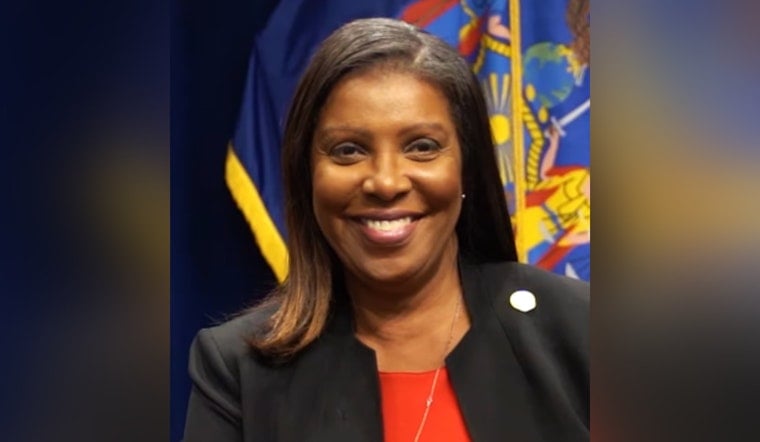
New York Attorney General Letitia James is back in court, this time with a fresh lawsuit meant to stop the federal administration from cutting school-based mental health support. James says the move would rip counselors, social workers and psychologists away from students who depend on them. Announcing the case on X, she warned that “the federal administration is trying to take mental health services away from children” and vowed, “We stopped them once, and we'll do it again.” Her message cast the lawsuit as a fight to preserve kids’ access to on-campus mental health professionals.
The federal administration is trying to take mental health services away from children. We stopped them once, and we'll do it again. We're suing to protect our children’s mental health and ensure schools can hire the counselors, social workers, and the psychologists they need.
— NY AG James (@newyorkstateag) July 10, 2026
James' announcement
In a post on X, NY AG Letitia James repeated her claim that the administration is “trying to take mental health services away from children” and said she is suing to ensure schools can keep hiring counselors, social workers and psychologists. The post did not include a link to the formal complaint, but the timing mirrors last year’s multistate fight over discontinued school mental-health grants. Reporting by Chalkbeat and other outlets closely followed that earlier battle.
Court fight so far
This is not James’ first legal showdown on this issue. In July 2025 she led a coalition of state attorneys general suing the U.S. Department of Education after the agency moved to terminate the Mental Health Service Professional Demonstration and School-Based Mental Health Services grants, a move that James’ office warned would pull millions from schools nationwide. The Attorney General's office laid out those claims in a July 2025 filing, and the Attorney General’s office detailed the risks to New York programs, estimating the state could lose at least $19 million. Hoodline later covered the case when a judge blocked the cuts.
Why it matters for schools
The two grant programs at the center of the clash were designed to grow the pipeline of school-based mental health professionals and to place counselors and social workers in high-need schools. Federal guidance has stressed that building up school-based staff is critical for students’ wellbeing, and experts have noted that many districts are still nowhere near recommended counselor-to-student ratios. Guidance from the U.S. Department of Education and a review of workforce recommendations highlight the scale of unmet need and staffing targets. NCBI notes that staffing shortfalls leave students without timely care.
What's next
Legally, the new case is likely to reprise arguments from earlier lawsuits that the administration’s cancellations were arbitrary under the Administrative Procedure Act and interfered with Congress’ spending authority. Judges in related matters have already granted preliminary relief. Litigation trackers and court dockets show that multiple states have filed similar challenges and, in some instances, secured injunctions that paused the cuts. Just Security and other filings lay out those procedural disputes and recent rulings.
Local impact and politics
If James’ latest case falls short, New York schools and university partnerships could lose operating dollars and training pipelines that keep school-based clinicians in buildings, outcomes her office previously warned about. The 2025 complaint projected a hit of at least $19 million statewide, including more than $7.6 million tied to SUNY programs, according to figures released last year by the Attorney General’s office.
At the same time, state officials in Albany have floated proposals to shore up youth behavioral health supports as a temporary safety net. The Attorney General’s office and Governor Kathy Hochul’s office have both underscored what is at stake for New York students if federal dollars disappear.
The new case will move through federal court, and plaintiffs could ask for an expedited schedule if they seek injunctive relief. For parents, educators and school leaders, the outcome will determine whether districts can hang on to the mental health staff they have worked to build over the past several years.





