

























































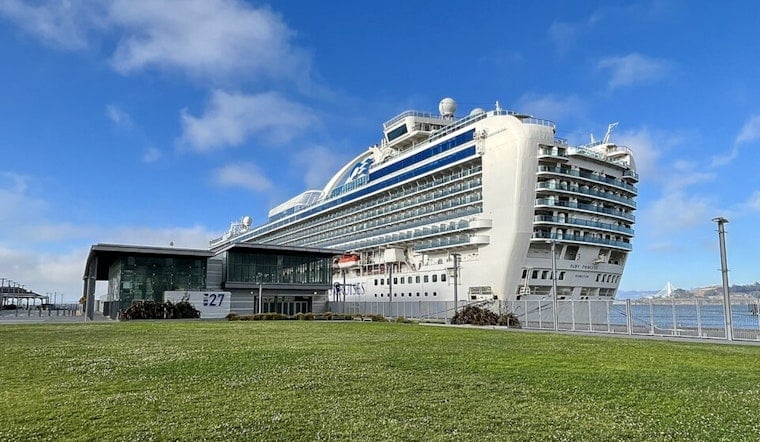
Two Alaska-bound cruises in late June turned queasy instead of scenic, with norovirus outbreaks that sickened a combined 145 passengers and crew, according to federal health records. The illnesses, marked mainly by vomiting and diarrhea, hit travelers and crew aboard Princess Cruises’ Ruby Princess and Lindblad Expeditions’ National Geographic Sea Bird. Both companies moved to isolate sick people and ramp up cleaning as the voyages wrapped up or headed back to port.
Outbreak details from federal health reports
According to the U.S. Centers for Disease Control and Prevention’s Vessel Sanitation Program, 102 of 3,032 passengers and 23 of 1,144 crew reported being ill aboard the Ruby Princess during its June 12–July 2 sailing, with the outbreak reported to the program on Sunday. The CDC Vessel Sanitation Program lists those counts and notes vomiting and diarrhea as the predominant symptoms.
The CDC’s Vessel Sanitation Program also posted a separate report for the National Geographic Sea Bird’s June 25–30 voyage, which recorded 19 of 68 passengers and one of 27 crew as ill and attributed the illnesses to norovirus. Those figures appear in a second report from the CDC Vessel Sanitation Program.
How the lines responded and why the Sea Bird raised questions
Both cruise operators say they increased cleaning and isolated symptomatic guests and crew while consulting with public health officials. Passenger accounts and cruise-industry coverage describe a shipwide sanitization push on the Ruby Princess mid-voyage, including stepped-up cabin cleaning and changes to buffet service. Cruise Mummy reviewed onboard notices and passenger reports describing those measures.
The National Geographic Sea Bird’s June outbreak stands out because the same small ship experienced a separate gastrointestinal outbreak in late May. Industry reporting says the quick repeat in June raised fresh questions about whether the earlier on-the-ground response fully interrupted transmission. Cruise Law News summarizes the CDC postings and the timeline of both incidents.
What norovirus looks like
Norovirus causes acute gastroenteritis, typically bringing sudden-onset vomiting, watery diarrhea and stomach cramps within about 12 to 48 hours of exposure, and most otherwise healthy people recover in one to three days. Medical references note that the virus is highly contagious and can spread through contaminated surfaces, food, and direct contact with infected people.
For basic symptom descriptions and typical recovery timelines, see the overview from the Mayo Clinic. Additional background on how norovirus spreads and who is most at risk is outlined by Johns Hopkins Medicine.
How passengers can reduce risk
Public-health guidance on avoiding norovirus centers on a few basics: wash hands frequently with soap and water, especially before eating and after using the bathroom; skip self-serve buffets if an outbreak is suspected; and contact the ship’s medical staff at the first sign of vomiting or diarrhea so cases can be quickly isolated. Staying hydrated and following medical advice on fluids or in-person care are especially important if symptoms are severe or prolonged.
Advice on cleaning and disinfecting after a norovirus episode, along with practical prevention tips for travelers and households, is summarized by major health outlets such as the Cleveland Clinic and other general patient guidance sites.
For travelers who were aboard either ship, public health officials recommend keeping records of any onboard or post-cruise medical visits and following the cruise line’s post-voyage instructions about testing or reporting illness. Authorities say they will continue to monitor the situation and post voyage-specific updates as investigations and lab testing are completed.





_in_San_Francisco_July_2022_(3).jpg)