

























































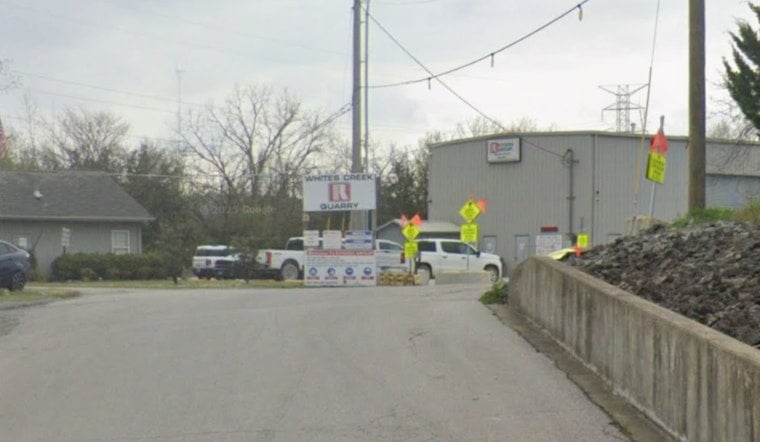
In North Nashville, neighbors around the Whites Creek quarry say their homes have been rattling for years, and they are watching closely as the operator shifts from surface work to an underground mine. Residents are hoping that the move will mean smaller blasts, fewer heavy trucks rolling past their front doors, and new green space on top of the old workings. For some, including homeowner Quinta Martin, the change feels overdue. She says the ground “rolls” when blasting happens and that she now has cracks in her ceilings and foundation. The company’s plan to tunnel beneath donated acreage has created a cautious kind of optimism on nearby streets.
Martin told reporters she “regularly feels the effects of blasting” and described fresh cracks appearing inside her house. According to NewsChannel 5, multiple neighbors reported blasts that shook their homes and left fissures creeping across walls and ceilings. The outlet also notes the quarry has operated for decades and that Rogers Group took over the site in the early 2000s.
Rogers Group insists the switch underground will cut both noise and ground motion, and says every blast is monitored to keep vibration levels below federal limits. In a statement to NewsChannel 5, a company spokesman said, "It's better, really, for the community in general," and added that the firm plans to relocate its asphalt plant, set up a blast-notification system and donate roughly 300 acres to the community while mining underneath that land.
How Underground Blasting Differs
Mining engineers say underground blasts can be designed with smaller charge sizes and millisecond delays so that less explosive energy reaches the surface, which typically means lower airborne noise and reduced peak ground velocities at nearby homes. Research and government reviews find that blast depth, the type of rock, and precise timing are major factors in how much vibration actually hits surface structures. For technical background on safe blasting limits and ways to dial down impacts, see a U.S. Bureau of Mines and NIOSH review and an engineering analysis of vibration control in underground mines, available through NIOSH/Bureau of Mines and ScienceDirect.
Neighbors Still Want Answers
Residents say going underground does not erase years of rattling windows and cracked drywall, and many want clearer blast-monitoring data along with a concrete plan for repairs if quarry activity is found to have caused damage. Metro records list the Whites Creek operation under Rogers Group and place the site on Whites Creek Pike, underscoring just how close the quarry and asphalt plant sit to surrounding neighborhoods; those references appear in the city’s stormwater and permitting files. Earlier public comments to the planning commission show long-running community pushback over dust, noise and blasting, and the company’s recent job postings for underground mining roles suggest the transition is already underway. For those listings and filings, see Metro Nashville, the planning-comments record and the company’s recruitment listing on LinkedIn.
What Neighbors Can Expect Next
Rogers Group says it operates a hotline and blast-notification program so neighbors can get advance warning and a direct channel for complaints. Company communications and site materials list local contact information and say the surface above the future underground workings could be preserved for natural space or other community uses. City officials, residents and mining engineers all point to independent monitoring and clear timelines for any truck route changes as the key tests of whether the new underground approach truly eases the quarry’s neighborhood impact.
For now, North Nashville homeowners are both hopeful and wary. The shift underground could finally take the edge off the blasts, but neighbors say they will be watching closely for measurable changes and for answers about the damage they believe has already been done.





