

























































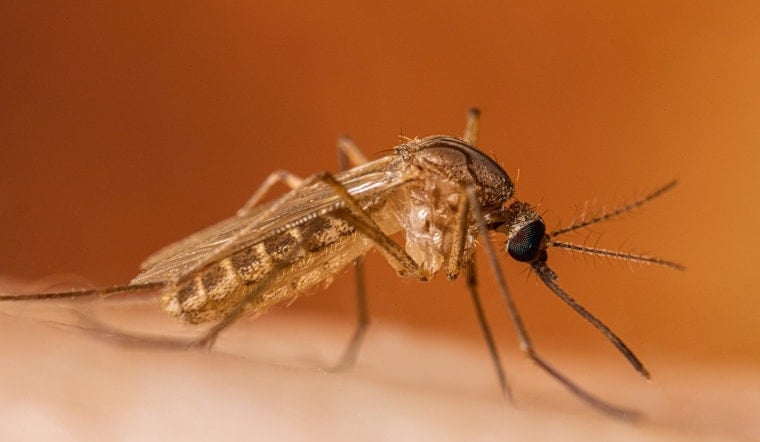
West Nile season has officially arrived in DeKalb, and county health officials say the mosquitoes are already testing positive. Traps in two parts of the county have turned up infected bugs, and one local man who nearly died from the virus is now using his ordeal as a warning to everyone else.
DeKalb County officials confirmed that mosquitoes caught in surveillance traps in ZIP codes 30088 (Redan) and 30360 (Doraville) tested positive for West Nile virus. Health teams stress this does not mean a wave of human illness is hitting right now, but it is a clear sign that mosquito season is in full swing and that the virus is circulating.
In a press release, DeKalb Public Health said laboratory testing confirmed two mosquito surveillance traps were positive and that, to date, no human West Nile cases have been reported in the county this year. The agency outlined its trapping program, noting that technicians are treating standing water and offering on-site assessments for residents who report heavy mosquito activity. Officials also urged residents to stick with standard prevention habits and shared contact details for the environmental health division.
William Cross told WSB-TV that a single mosquito bite led to a collapse and a 10-day hospitalization at Emory University Hospital, where he developed encephalitis. "I remember waking up one morning and there were 20 doctors in the room, and they said I had the West Nile virus," Cross said. He added that he spent about a week on a morphine drip and that the ordeal completely changed how seriously he treats mosquito prevention. His experience is a stark local reminder that, while rare, severe neuroinvasive disease can happen.
Where Positives Were Found And How The County Is Responding
DeKalb Public Health says its mosquito traps, marked with red-and-white signs, are used to identify species and test selected mosquito pools for West Nile virus. Technicians place larvicide in standing-water spots such as storm drains to stop young mosquitoes before they turn into biting adults. The department notes that traps are usually placed in low-foot-traffic areas and function as an early warning system so crews can focus control work where it is needed most. County staff are also giving homeowners practical advice on how to reduce breeding sites around their yards.
Why This Matters Now
The positive traps in DeKalb come as West Nile activity has been documented in multiple states this summer, with federal surveillance tools such as the CDC’s ArboNET system tracking mosquito and human cases to spot local risk trends. CDC information shows that West Nile activity typically peaks in summer and into early fall and that older adults and people with weakened immune systems face the highest risk of severe illness. Public-health experts say that when local mosquitoes test positive, human cases often follow, which is why officials are leaning hard on prevention messaging now.
How To Protect Yourself
Local reporting and health officials recommend a layered approach to keeping mosquitoes at bay: dump and refresh standing water at least once a week, repair torn window and door screens, use EPA-registered repellents such as DEET, picaridin, or oil of lemon eucalyptus, and steer clear of outdoor activity at dawn and dusk when Culex mosquitoes are most active. Pest-control operators told WSB-TV that July has already been a busy month for homeowners booking yard treatments and barrier services. Health officials say those straightforward steps significantly cut the odds of being bitten, even when infected mosquitoes are around.
Residents with concerns can request a mosquito assessment or call DeKalb’s Environmental Health division at (404) 508-7900 for more information. Officials remind Atlantans that basic yard cleanup and consistent use of repellents remain the most effective defense while mosquito surveillance continues through the fall.





