

























































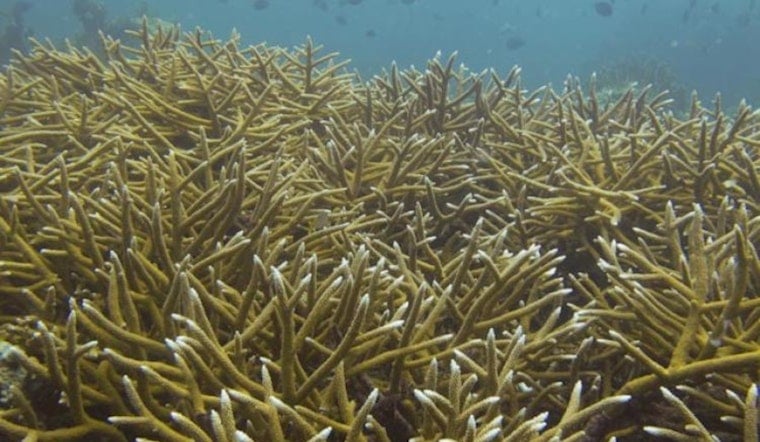
The Florida Keys are in reef triage. With ocean temperatures climbing early in the season, restoration teams are scrambling to evacuate hundreds of elkhorn and staghorn coral colonies, shuttling many into deeper offshore nurseries and climate‑controlled tanks while leaving the largest, breeding‑age colonies in place so they can still try to spawn. Scientists warn this early heat is tracking uncomfortably close to 2023, the year that devastated local reefs, and say it could trigger another round of widespread bleaching.
As reported by the Miami Herald, Reef Renewal USA has already moved about 400 elkhorn and staghorn corals, and the Coral Restoration Foundation has shifted roughly 246 colonies into land‑based facilities. Those emergency moves followed data from NOAA Coral Reef Watch, which currently lists the Florida Keys at Bleaching Alert Level 1 and shows sea surface temperatures running close to last year’s record pace. The warnings sparked rapid action from nonprofits, dive operators and volunteers who run and maintain the offshore nurseries.
How Crews Are Moving Corals
Crews are hauling up nursery ropes and entire coral “trees” by boat, then ferrying many colonies to deeper offshore sites and to land laboratories in West Palm Beach and Tampa. “Alert level 1 really doesn’t capture it,” Ken Nedimyer told the Miami Herald as his Reef Renewal USA team relocated roughly 400 corals. Reef Renewal USA says the mix of deeper-water relocations and land‑based propagation is designed to buy time for vulnerable colonies while scientists gear up to collect spawn and rear larvae under controlled conditions.
What The Science Shows
A 2025 study in Science documented the extreme 2023 marine heat wave and found that branching Acropora corals suffered catastrophic mortality across much of Florida’s reef. That finding has effectively pushed restoration efforts into emergency mode. Together with ongoing NOAA monitoring, the study is guiding managers who plan to capture spawning gametes and rear larvae in tanks as a short‑term strategy to preserve key genetic lines.
Next Steps For Reefs And Volunteers
Restoration groups are now preparing to collect gametes from any colonies that manage to spawn in the late‑summer window and to raise larvae in cooler, more stable conditions. The Coral Restoration Foundation points to recent at‑sea fertilization and larval‑rearing experiments with partners as a practical way to keep some genetic lines alive despite back‑to‑back heat seasons. CRF officials say protecting broodstock, capturing the next generation and using both land‑ and sea‑based rearing is the closest thing scientists currently have to a lifeline for reefs already pushed to the brink.





