

























































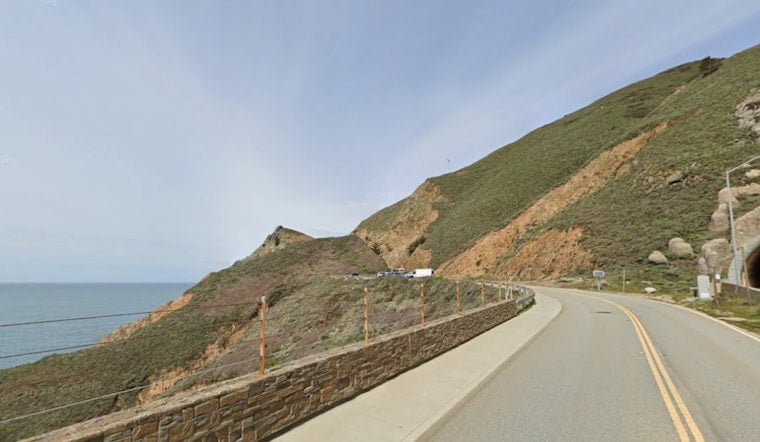
The windswept bluffs at Pedro Point Headlands in Pacifica are on track to join the Golden Gate National Recreation Area, after state officials signed off on a key land transfer plan. Local stewards say a handoff to the National Park Service would mean steadier management and clearer, safer access to a rugged piece of shoreline that already lures hikers, birders and wildlife watchers. If it goes through, the deal would mark the most significant GGNRA expansion on this stretch of coast since Rancho Corral de Tierra shifted into the park system in 2011.
The California State Coastal Conservancy voted 5-0 on June 18 to approve a disposition plan that authorizes transferring three state-owned parcels at Pedro Point to the United States to be managed by the National Park Service as part of the Golden Gate National Recreation Area, according to the California State Coastal Conservancy. The board also signed off on use regulations for Conservancy-owned land at the headlands and gave staff the green light to start the conveyance paperwork. Conservancy documents describe the move as a way to protect open space, natural resources and public access on the blufftop property.
Supporters wasted no time cheering the vote. “Donating it to the National Park Service is going to mean better public access and better long-term stewardship of the land,” Amy Hutzel told The Mercury News. The Pacifica Land Trust, which has organized volunteer restoration and trail work on Pedro Point for decades, continues to maintain informal paths and habitat projects on the Conservancy parcels, Pacifica Land Trust notes.
Trails And Public Access
Planners are already sketching out how people will get in and out more safely. The Conservancy has put money toward planning and environmental review for an approximately 1.3-mile stretch of the California Coastal Trail through Pedro Point Headlands that would close a long-standing gap between Pacifica and the Devil's Slide Trail, according to the project notice on CEQAnet. Earlier this year, design work for that segment went to a team led by BKF Engineers, which says the plan is to build a resilient multi-use path that balances recreation with habitat protection. Once the gap is filled, the route would plug Pedro Point more directly into the heavily used Devil's Slide coastal path and nearby access points overseen by San Mateo County Parks.
Timeline And Enforcement
Conservancy staff told reporters that the legal and logistical steps to wrap up the transfer could take as long as two years, and that federal park staff would take over management once the parcels change hands, The Mercury News reports. National park officials also told the paper that the Pedro Point parcels already fall within the park’s authorized boundary, so no fresh act of Congress is needed, and that NPS rangers and park police would be able to enforce federal and local rules on the headlands. Advocates say that kind of on-the-ground presence, backed by a funded management plan, would help safeguard habitat used by bobcats, foxes and other coastal wildlife.
History And What's At Stake
Pedro Point Headlands were not always headed for a conservation win. Conservancy files recall a proposal for roughly 217 homes on the bluffs, a plan that helped galvanize efforts to keep the land in public hands. Records from the agency also show that the Conservancy and the City of Pacifica now hold most of the publicly owned open space at Pedro Point, and that the Conservancy has spent years looking for a willing park operator for the property, a search that fed directly into the disposition plan adopted in June. Supporters often point to Rancho Corral de Tierra, transferred to the National Park Service in 2011, as a case study in how federal stewardship can shape long-term public access and conservation along the San Mateo County coast, according to National Park Service planning files.
The Coastal Conservancy and partner agencies are scheduling public outreach as trail design and environmental review continue, giving neighbors and trail users a chance to weigh in on route options and access points. If the transfer stays on the Conservancy's timeline, Pedro Point could soon become another federally protected link in the growing chain of coastal parks that traces the San Mateo shoreline.



