

























































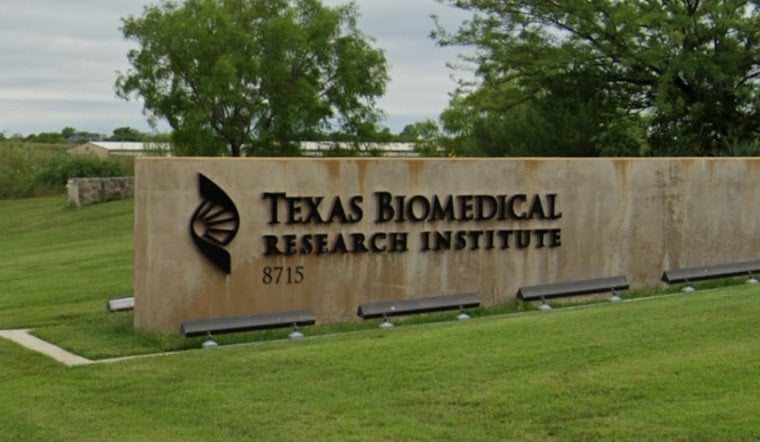
San Antonio's Texas Biomedical Research Institute is stepping further into the national security spotlight, announcing this week that it has entered a Cooperative Research and Development Agreement with the Department of Defense to speed up work on defenses against emerging biological threats. The deal pairs the local lab with the Defense Department office that manages chemical, biological, radiological and nuclear defense, and institute leaders are pitching it as a long-term move to get vaccines, antivirals and diagnostics ready before the next outbreak, not after. The announcement underscores San Antonio's growing role in the national biodefense ecosystem.
In a press release via PR Newswire, officials said the CRADA sets up a framework to accelerate the development, testing and validation of medical countermeasures. Cory Hallam, executive vice president of Applied Science & Innovation, said the partnership helps "reduce the time between scientific insight and operational impact," while President and CEO Dr. Larry Schlesinger called the move "a long-term investment in resilience." The release highlighted the institute's GLP-grade capabilities and its ability to support regulatory pathways for countermeasures.
Scope: Medical Countermeasures And CBRN Defense
Under the CRADA, Texas Biomed will work with the Capability Program Executive for Chemical, Biological, Radiological and Nuclear Defense, known as CPE CBRND, to move projects from the lab toward field-ready solutions. JPEO-CBRND notes that this portfolio manages the military's investments in CBRN diagnostics and medical countermeasures. Examples of countermeasures highlighted in connection with the agreement include vaccines, antivirals, diagnostic tools and personal protective equipment, according to San Antonio Report.
AI Raises The Stakes
Experts have warned that advances in artificial intelligence could lower technical barriers for malicious actors looking to design or weaponize biological agents. A RAND red-team study found that earlier generations of large language models did not measurably increase operational risk, even as researchers continue to flag potential future dangers, and that work remains a touchstone in policy debates. The National Academies' 2025 consensus study on AI in the life sciences, commissioned at the Defense Department's request, similarly highlighted AI-enabled biological design as an area that needs focused policy and preparedness work.
Why San Antonio Matters
Texas Biomed brings a mix of assets that are unusually important for preclinical countermeasure work, including high-containment biosafety laboratories and one of the nation's federally designated National Primate Research Centers, according to Texas Biomed. The institute also points to its experience running GLP-compliant studies that can support FDA regulatory filings. That combination of containment facilities, animal models and regulatory know-how is what Pentagon officials cited as operationally important when announcing the collaboration.
What's Next
The CRADA is a collaboration framework rather than a single project, and officials did not disclose budgets or firm timelines in the initial announcement. PR Newswire reports that the arrangement is expected to help partners accelerate test campaigns and validation studies so countermeasures can move more quickly to operational use when specific threats are identified. Individual projects will be negotiated under the CRADA, with updates promised as the work takes shape.
For San Antonio, the deal reinforces the city's expanding role in military medicine and applied infectious-disease research, putting the local lab closer to the center of a national push to make biodefense more proactive. Texas Biomed and CPE CBRND have said they plan to share more details as specific projects are defined and begin.



