

























































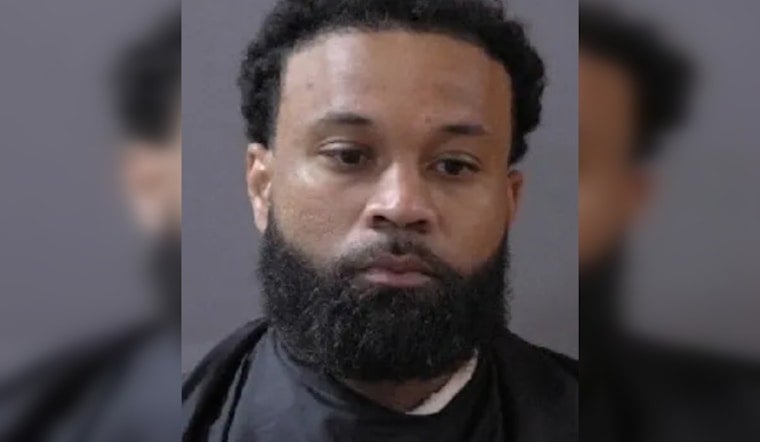
Former Indiana University guard James Blackmon Jr., 31, was arrested early Sunday morning in Carmel on a preliminary charge of operating while intoxicated after officers responded to a phone crash alert, authorities said. Police reported finding Blackmon standing behind his parked car and said he showed glassy eyes, slurred speech and the odor of alcohol. He did not pass field sobriety tests, refused a certified chemical test and was later subject to a blood draw under a search warrant. Results from that test are still pending.
Police account of the stop
According to Carmel police, the incident started when Blackmon’s girlfriend allegedly tossed her phone out the car window, which triggered a phone crash alert that brought officers to the area. When they arrived, they found Blackmon at the scene near his vehicle. Officers say he appeared unsteady on his feet, failed field sobriety exercises and refused a certified chemical test. Police then sought and obtained a warrant for a blood draw, as reported by WIBC 93.1 FM.
Booking, release and court date
Online jail records show Blackmon was booked into the Hamilton County Jail and has since been released. His initial hearing is set for July 6 in Hamilton Superior Court 6. As of now, police and prosecutors have not disclosed the blood-test results or outlined any additional filings, according to WIBC 93.1 FM.
Blackmon's basketball background
Before his current legal trouble, Blackmon was best known for lighting up scoreboards. He starred at Marion High School, then played three seasons for Indiana University from 2014 to 2017 before turning professional, per his player profile on Wikipedia. Since leaving IU, he has continued his career overseas. His latest move came when Belgium’s Stella Artois Leuven Bears announced he had signed with the club for the 2025–26 season, according to the team’s statement on Leuven Bears.
What refusal and a blood draw can mean
Indiana’s implied-consent law does not exactly reward drivers who refuse testing. Turning down a certified chemical test can lead to an automatic license suspension on top of any criminal case, and that refusal can also be used as evidence in court. At the same time, courts have held that when officers have probable cause, they can seek a blood sample under certain conditions, often by obtaining a warrant. Those rules and their limits are laid out in legal summaries such as LegalClarity and in Indiana appellate decisions like the one published at court rulings.
Next steps
For now, Blackmon’s case sits in the early stages. He was booked into Hamilton County Jail and later released, and the criminal matter remains pending. Upcoming court records and filings will clarify what charges prosecutors ultimately choose to pursue, and how much weight the blood-test results carry once they are made public.




