

























































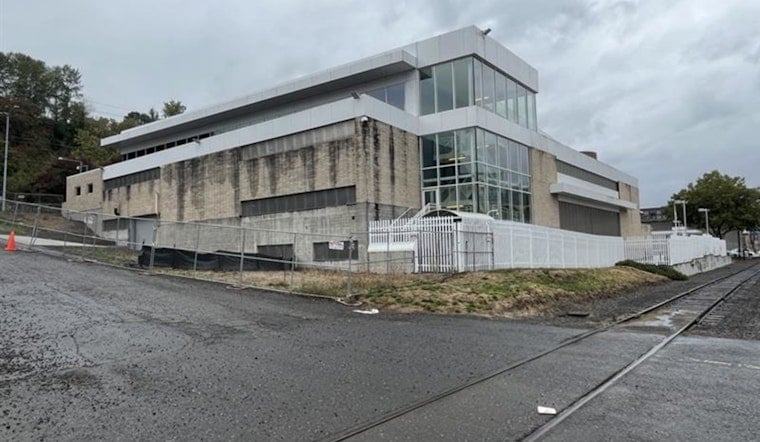
Portland officials just got the go-ahead to turn up the heat on the private landlord behind the city’s ICE processing center on South Macadam, after the Portland Hearings Office upheld a key land use ruling this week. The decision affirms that the facility violated a 2011 condition that bars holding people overnight or for more than 12 hours, clearing the way for city enforcement in a dispute that has dragged on for years between local officials, protesters and the property owner over how far zoning rules can reach into federal detention operations.
What the hearings officer decided
The Hearings Office ruling restores Portland’s ability to levy fines against the property owner if those violations continue, according to OPB. The decision does not shut down the ICE facility on its own. Instead, it allows the city to pick up where it left off in an administrative enforcement process that had been put on hold.
Enforcement mechanics and earlier findings
That process began on Sept. 18, 2025, when the city issued a formal notice of zoning violation after an investigation found instances in which detainees were kept at the Macadam site longer than the 12-hour limit. The Bureau of Development Services reaffirmed that violation on Feb. 13, 2026, and gave the landlord until March 16 to fix the problem or face a monthly lien on the property, according to Portland.gov.
Under the city’s code enforcement system, staff set a monthly fee that would attach to the property as a lien until the cited violations are resolved. In a statement included with the city’s February update, City Administrator Raymond Lee stressed the importance of allowing the administrative process to “unfold as intended,” signaling that City Hall wanted the land use machinery to run its course.
Legal roadblocks and a court pause
That machinery did not move quickly. The property owner appealed and secured a temporary pause when a Multnomah County judge granted a stay in late May, which blocked the hearings officer from issuing a final ruling while the court weighed procedural claims, according to OPB. That stay joined a series of legal maneuvers that stretched the case into mid-2026 and pushed back any potential penalties.
City Council gave itself new tools
At the same time, Portland City Council was busy sharpening its toolbox. This winter, councilors approved a Detention Facility Impact Fee and new nuisance rules aimed at private property owners whose tenants, including detention operators, create recurring neighborhood problems. The package is meant to let the city recoup costs tied to chemical munitions, police overtime and cleanup, according to coverage by the Portland Mercury.
Council members have urged the administration to put those enforcement tools to work as quickly as possible, arguing that the new fee structure is one of the few levers the city has over private landlords connected to detention facilities.
Legal implications and what comes next
The latest hearings office decision is not the final word either. It can be appealed within the city’s administrative system and then taken to the Oregon Land Use Board of Appeals, so more legal wrangling is very much on the table. Documents filed with the hearings office spell out how the appeal record is built and how either side can seek review, and the city’s public notice explains the steps and deadlines for challenging land use rulings via Portland.gov.
In practical terms, that means the city could begin racking up fines even while new appeals move forward. The result could be a long stretch where enforcement and litigation run in parallel, extending the fight for months or longer.
Neighbors and activists react
Neighbors, immigrant rights advocates and local councilors who have pushed for tougher action are calling the ruling a step toward accountability, while also warning that more legal delays could blunt any near-term impact. Reporting and community accounts have documented repeated demonstrations outside the Macadam facility, along with mounting pressure on the administration to use its new nuisance tools, as the Portland Mercury has reported.




