

























































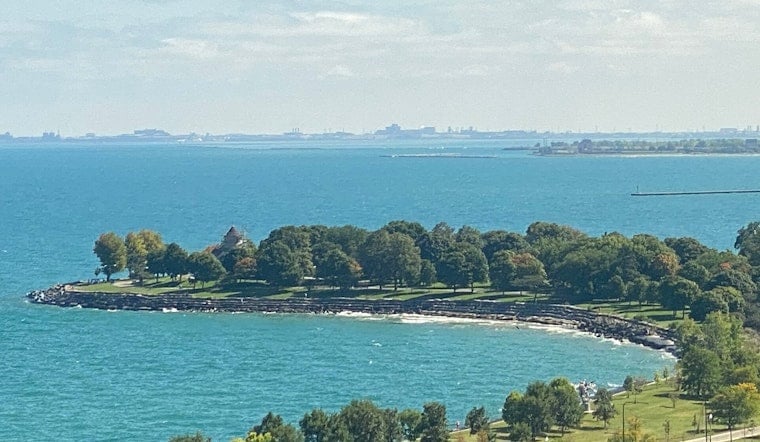
Promontory Point, the limestone-edged, car-free peninsula at the east end of East 55th Street, may be cut off from the public for years under a shoreline overhaul that would swap its signature 1930s stone steps for a continuous concrete revetment. Neighbors and preservationists say a long shutdown and a concrete rim would fundamentally change the look and everyday use of a place that has drawn swimmers, picnickers and weddings for generations.
Plan Could Mean Three To Five Years Offline
According to WBEZ, the latest schedule under discussion would close the Point for about three to five years beginning in 2027 while crews remove the historic limestone revetment and build a concrete shoreline in its place. The reporting also notes a public meeting set for July 27 and quotes Promontory Point Conservancy member Jack Spicer, who said, “Concrete revetments make it feel like there’s a war going on between the lake and the city.”
A 1930s Landscape People Want To Keep
Promontory Point was built in the 1930s with New Deal funding and is known for Alfred Caldwell’s Prairie-style landscape and the stone fieldhouse that anchors the meadow. Official landmark designation materials identify the stepped limestone revetments, the pavilion and Caldwell’s landscape as character-defining features of the protected site, which helps explain why proposals to pull out the stone have hit such a nerve.
Where The Agencies Say They’re Heading
The U.S. Army Corps of Engineers and the City frame the project as part of the larger Chicago Shoreline Project and point to a series of funded planning steps and technical reviews that must happen before any construction starts. In a 2023 release, the Corps highlighted the City’s $5 million allocation for planning and a Corps-funded, third-party technical review meant to align any design with federal preservation standards. Public Building Commission materials for the Morgan Shoal project show the City has hired SmithGroup for nearby shoreline work and that several approaches, from armor stone to concrete transitions, are being evaluated.
Neighbors Say A Closure Would Cause Real Hardship
Community organizers have been pushing back loudly. The Promontory Point Conservancy has shared polling and community research that show strong local opposition to a long closure. According to the conservancy, more than 95 percent of roughly 700 park users surveyed said a three-to-five-year shutdown would create hardship for people who rely on the Point for swimming, exercise and events. Residents and advocacy groups argue that how the park is used socially is just as important as how it functions as shoreline protection.
Engineers Back Repair, Not Demolition
Community-funded technical studies, including condition and alternatives reports by coastal engineers and a historic-structures review, conclude that the limestone revetment can be repaired to meet modern shoreline-protection standards and that a phased preservation strategy would likely be faster and less expensive than tearing everything out and rebuilding, WBEZ reports. Public documents for the Morgan Shoal effort also note that many existing blocks can be salvaged and reused and that final shoreline designs will vary from segment to segment.
Federal Reviews And Landmark Rules Will Matter
Because the Promontory Point stretch is listed on the National Register and is recognized locally as a historic landscape, the Corps has said that any federally funded work will trigger NEPA environmental review and Section 106 historic-preservation consultation. Those processes include opportunities for public comment and technical oversight that are intended to balance coastal-protection goals with preservation law and the Secretary of the Interior’s standards.
For now, the fight is unfolding in design meetings and technical reports. City and federal agencies say they will follow the formal review process, while neighborhood groups are pressing for a preservation-first plan that would repair the stones in phases and keep most of the park open. More community meetings and formal comment periods are expected as the Corps and the City move from planning into design and procurement.





