

























































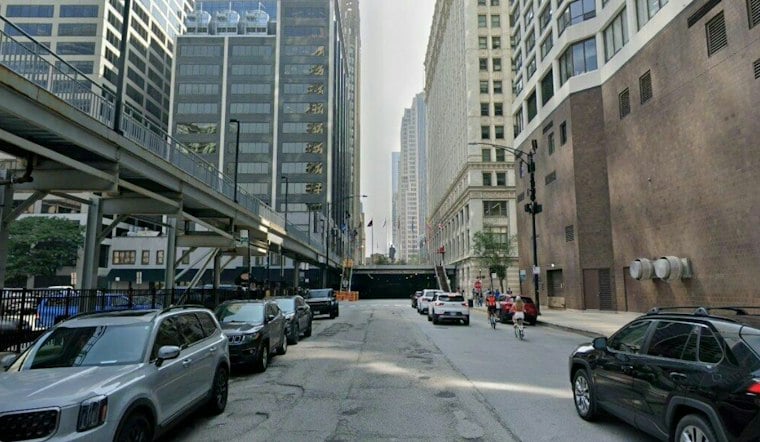
A rider told CBS News Chicago that an Uber trip in downtown Chicago went off course after the driver canceled it in the app. The destination entered in the app was an address on Hubbard; the passengers eventually got out near Randolph Street and the Kennedy Expressway.
The account appears in a video report from CBS News Chicago. The station did not report what the driver said, if anything, about the cancellation or route, or whether the rider filed a complaint or sought a refund.
What Uber Says Riders Can Do
For riders who find themselves questioning a driver's route, Uber does offer a formal channel to flag it. According to Uber Help, passengers who have concerns about the route a driver took, or who feel they were overcharged because of that route, can submit the trip for review, saying, “If you have concerns about the route your driver took or if the amount you paid was higher than expected due to the route taken, let us know here. We'll be happy to review.”
There is also a specific process for riders who feel a driver refused to take them to their chosen destination. As reported by Uber Help, “If your driver refused your destination, let us know what happened below.” The same page notes that riders disputing a cancellation fee can pull up the trip directly in their account history to contest the charge.
How Chicago handles ride-share complaints
Riders can also report problems with ride-share operators through the City’s 311 system. The Chicago Department of Business Affairs and Consumer Protection says it processes, investigates and prosecutes complaints filed through 311. The City says it regulates transportation network provider companies, drivers and vehicles to promote safe transportation and protect passengers.
A separate pickup-access concern
Another recent Chicago-area account involved Lakeview resident Becca Shrier, who uses a cane. She told CBS Chicago that drivers often canceled instead of stopping at a pickup location she could reach. Shrier said her disability made it difficult to go looking for cars.
Shrier told the station that repeated pickup problems included a missed medical appointment with a doctor whose schedule was booked four months out. She said she had spent five months trying to get drivers to stop on her side of the street.
In that report, Pace said it was not aware of other riders experiencing the same issue, and Uber did not provide an official statement to CBS News Chicago in response. Uber also publishes broader safety data through its U.S. Safety Report, which the company says “include information about Uber's actions related to safety and data on the most serious safety incidents reported on our rideshare platform.” That report is not specific to either rider’s experience.
City complaint routes and in-trip safety options
Chicago’s 311 system is one route for reporting ride-share problems: the Department of Business Affairs and Consumer Protection says it processes, investigates and prosecutes those complaints. The cited city guidance explains the complaint process but does not state how many ride-share complaints have been filed or how counts have changed over time. The Chicago Department of Business Affairs and Consumer Protection says the City regulates transportation network provider companies, drivers and vehicles to promote safe transportation and protect passengers. Its rules require companies to be licensed and meet requirements for driver background checks and training, vehicle inspections and insurance. For a concern during an active trip, Uber says riders who feel unsafe can report it in the app, and a member of its Safety team will reach out shortly after the trip. In a separate federal case, the Justice Department announced a settlement with Uber on July 18, 2022, over challenged wait-time fees for some riders with disabilities who needed more than two minutes to board; that case concerned boarding fees, not the cancellation or route described here.
The accounts describe different problems, but both raise questions about what riders can do when a trip or pickup does not go as planned. Uber’s published guidance includes after-the-trip review and complaint tools, as well as an in-app option to report a safety concern during a trip.




