

























































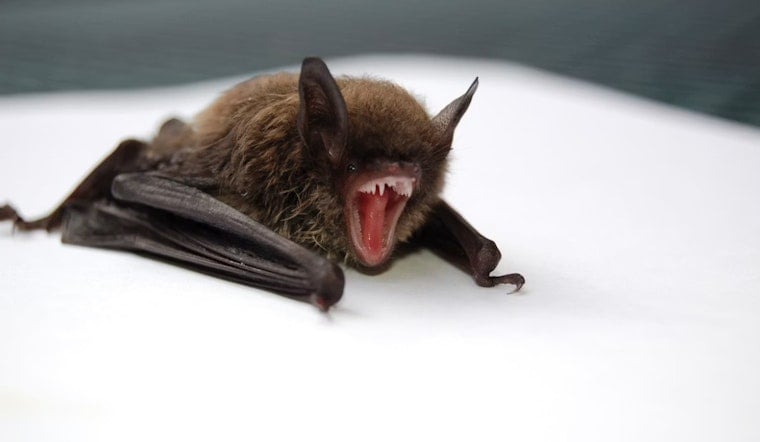
A surprise houseguest in Painesville turned out to be carrying rabies, and it is put Lake County public health officials on alert. A bat found inside a home tested positive for the virus, marking the county’s first confirmed rabid bat in four years. The animal was submitted for testing after a resident reported finding it indoors, and state laboratory results later confirmed the infection.
The Lake County General Health District said the specimen was sent to the Ohio Department of Health for confirmation, as reported by Cleveland.com. County officials added that they are following standard exposure-investigation procedures and will notify any residents or pet owners who may be at risk.
What officials are saying
Lake County Health Commissioner Adam Litke urged residents to “remain cautious” and to keep their pets close, according to Cleveland.com. The health district is asking anyone who finds a bat inside a home, or suspects an exposure, to contact local public-health staff so the animal can be evaluated for testing instead of being released or discarded.
How rabies spreads
Rabies is a viral disease that attacks the nervous system and is almost always fatal once clinical symptoms appear. Transmission most commonly happens through bites or scratches, or when saliva from an infected animal gets into an open wound or onto a mucous membrane, according to the CDC.
What to do if you or your pet had contact
If you or a pet may have been exposed, officials say to immediately wash the area thoroughly with soap and water and seek medical evaluation as soon as possible. Residents should contact the Lake County General Health District at 440-350-2453 to report the incident and determine whether the bat needs testing. Do not release a bat that could have had contact with people or pets, trained public-health or animal-control staff can arrange safe collection and laboratory testing.
Legal requirements for pets
Ohio law requires rabies vaccinations for all dogs, cats, and ferrets older than four months, and the state code sets out quarantine and testing rules when exposures occur. Those rules, including vaccination requirements, quarantine periods for exposed animals, and procedures for submitting specimens for testing, are detailed in the Ohio Administrative Code.
Local surveillance
State rabies surveillance maps show only a handful of Ohio counties reporting rabid bats so far in 2026, and Lake County is among them, according to the Ohio Department of Health. Public-health officials note that while only a small percentage of bats carry rabies, any bat found in a bedroom or in close contact with people should be treated as a potential exposure and handled through public-health channels.


