

























































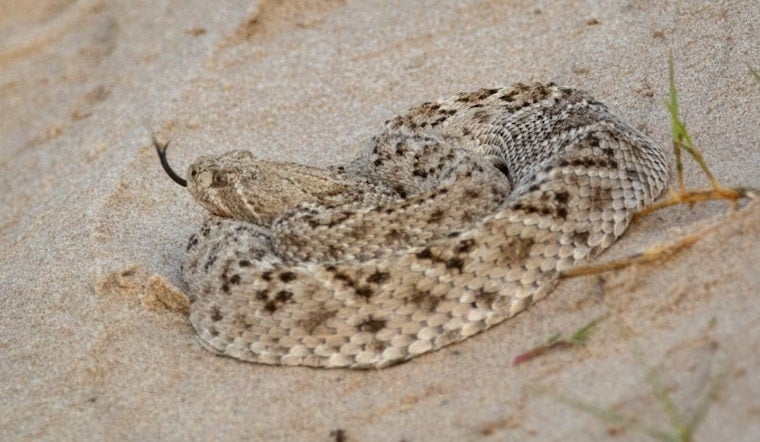
Rattlesnakes and their less-famous snake cousins are not staying in the desert this summer. In Fountain Hills, they are turning up in backyards, side yards and garages as the heat pushes them out of the hills and into the neighborhoods. Residents say local crews are dealing with a steady stream of calls to remove unwelcome reptiles from their property.
Reporter Brian Webb rode along with local responders who say fire crews are now handling multiple snake-related calls every day in Fountain Hills, according to FOX 10 Phoenix. In the station’s video, crews can be seen carefully collecting and relocating snakes while warning homeowners that heat-driven movement means more sightings close to homes.
State wildlife officials have been sounding the same warning. The Arizona Game and Fish Department notes that rattlesnake activity climbs as temperatures rise and urges Arizonans to give snakes plenty of space, clean up cluttered yards and keep pets inside at night, ABC15 reports.
Why snakes are showing up now
Warm weather, along with an unusually mild late spring in parts of Arizona, has nudged reptiles out of winter dens earlier than normal and boosted sightings across the Valley. As Axios Phoenix points out, snakes often shift much of their activity to nighttime once daytime temperatures spike, which sets the stage for more close encounters around homes after sunset.
What local crews are doing
Fountain Hills is not alone in dealing with slithering visitors. Other departments are reporting similar spikes in calls. The Sedona Fire District told the local paper it typically answers one or two snake-removal calls every few days during peak season and that some districts now have clearer guidelines on when crews will move a snake and when it is safer to leave it alone. Sedona Red Rock News also notes that outreach campaigns are trying to cut down on calls when a snake is not actually posing a threat.
How to reduce your risk
Wildlife experts say prevention is still the best plan. That means sealing gaps under doors, clearing brush and debris, getting rid of rodent attractants, keeping kids and pets indoors at dawn and dusk, and never trying to pick up or kill a wild snake. When it comes to bites, state poison-control guidance and medical reviews emphasize getting immediate professional care and avoiding home remedies or do-it-yourself treatments. A PubMed Central analysis and poison-center data both underline that antivenom and hospital care remain the only proven effective treatments.
If a snake is in your house or is clearly an immediate danger, experts say to stay back, keep others away and call your local nonemergency police or fire line or a licensed wildlife removal service. With temperatures climbing through the season, wildlife officials say basic yard maintenance and a few common-sense habits can go a long way toward avoiding an up-close meeting with a rattlesnake.





