

























































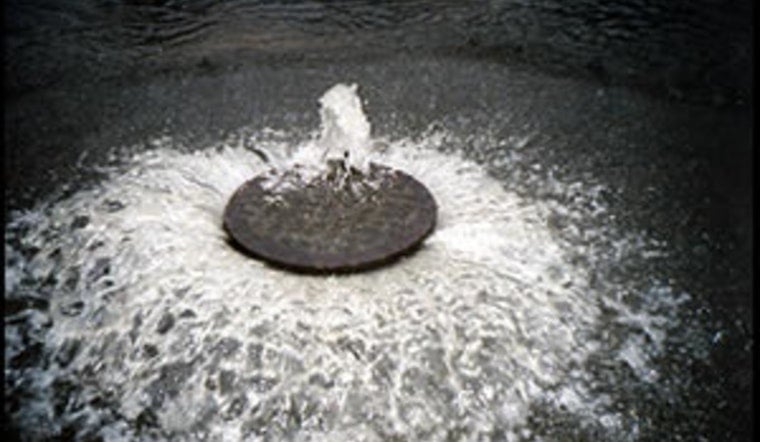
For more than three decades, Woodland Heights resident Rob Kelley says his block of Wrightwood Street has turned into a sewage catch basin every time a big storm rolls through. He describes raw wastewater pooling along the curb, a sour smell that creeps into his home, and filthy water that lingers in the gutter until it finally dries out or gets washed away. Kelley points to an abandoned lift station about a block from his house as the main culprit, while neighbors talk about clogged gutters, ruined landscaping, and a stink that makes stepping outside miserable on damp days. City and federal officials were contacted to find out whether permanent repairs are on the calendar.
Kelley, who told reporters he moved onto Wrightwood in 1993, told ABC13 that the odor "gets inside of your house" and said he has "probably called (311) hundreds of times" trying to get something done. The station reported that during hard rains, raw sewage can be seen flowing down the street, leaving residents to deal with contaminated runoff. ABC13 also said both the City of Houston and the EPA initially responded that they were looking into the situation.
Where the overflows happen
Engineers have zeroed in on the problem stretch, often labeled the "Wrightwood SSO," as a low-lying corridor on the 1200 block of Wrightwood Street where four manholes have a history of surcharging and spilling over during heavy rainfall. A planning study presented at the Pipelines 2021 conference detailed how the combination of low ground elevation, the nearby now-abandoned lift station, and constraints farther down the line causes the system to relieve pressure through street-level manholes when it surcharges, according to Pipelines 2021. That technical explanation lines up with what neighbors say they see after intense storms, when sewage ends up sitting in the gutter.
City plans and timeline
The EPA sued the City of Houston in 2018 over repeated releases of untreated sewage, and the dispute ended in a 2021 consent decree that requires major upgrades to the citywide sewer network, according to Houston Public Works. The city’s consent decree overview describes about $9 billion in wastewater improvements to be carried out over a 15 year period. In that mountain of projects, the city’s Construction Bench Mark report now lists a "Wrightwood SSO elimination" effort with a roughly $2.78 million budget and a forecasted start in early 2028, a line item that targets the overflow points residents have been complaining about, per the city’s CIP listing.
Residents frustrated by pace of repairs
Neighbors say they were cautiously optimistic when the consent decree was announced, but Kelley argues that the promise of sweeping systemwide fixes has not translated into relief on his street. "It’s extremely frustrating," he told ABC13, adding that standing sewage has damaged landscaping and that the odor lingers inside his home. For now, residents say calling 311 is still the main way to push for action, although many describe the responses as slow to arrive or only temporary.
Storms make the problem worse
Heavy storms magnify everything on this low stretch of Wrightwood. Earlier this summer, aerial footage from local news showed Little White Oak Bayou topping the Wrightwood bridge and spilling onto nearby streets, according to Click2Houston. Those surges are exactly when manholes and nearby lift stations are most likely to discharge into streets and yards. Residents say that with floods and overflows arriving after one strong rain, any delay in permanent fixes is hard to ignore.
Legal and public health stakes
The EPA’s enforcement page notes that Houston has recorded thousands of sanitary sewer overflows in recent years and warns that untreated sewage can carry bacteria, viruses, and other contaminants that pose health risks, according to EPA. Under the consent decree, the city must pursue early action projects, conduct system assessments, and install real time sensors to help prevent repeat overflows. If the Wrightwood SSO project proceeds as listed in the city’s CIP, it will be one of several targeted fixes required under the settlement.
What to watch next
The city’s benchmark report outlines a design and construction schedule that could put work on the Wrightwood SSO project in 2028, although officials have not yet given a firm start date for any work at the abandoned lift station Kelley has cited. In the meantime, residents say they plan to keep filing 311 complaints and tracking the city’s consent decree pages and monthly SSO reports for any sign of progress. Those documents are publicly available through the wastewater consent decree portal, according to Houston Public Works. For overflows happening in real time, Houston directs residents to call 311 so crews can respond and to review the online consent decree files for updates.





