

























































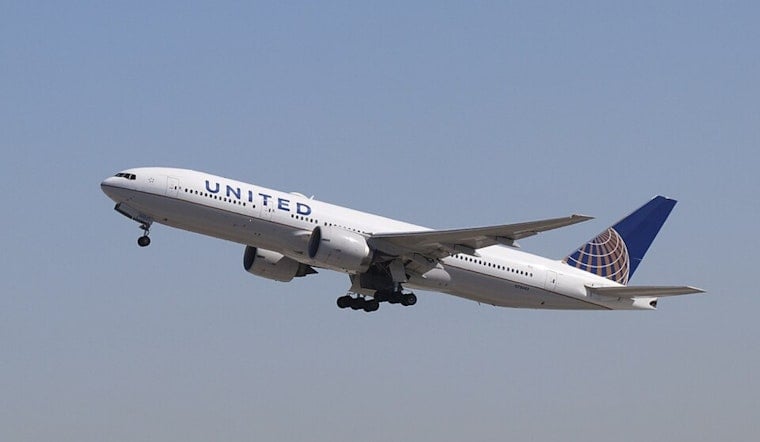
A federal judge in San Francisco yesterday refused to toss a proposed class action that accuses United Airlines of selling so-called "window" seats that are sometimes pressed up against blank cabin panels with no exterior window. The decision keeps the case alive and keeps on the table the prospect of millions in damages and potential changes to how airlines label their seat maps.
U.S. District Judge James Donato said the passengers had alleged enough about how United presents seats on reservation screens and boarding passes to move ahead on breach-of-contract and disclosure claims. "No more is needed at this stage for the breach claims to go forward," Donato wrote, as reported by Quartz.
The plaintiffs say the case could cover more than one million passengers and seek millions of dollars. Their core complaint: travelers paid premiums for seats labeled "window" only to find themselves staring at a blank wall. The filing spells out why people chase window seats in the first place, from anxiety and motion-sickness concerns to keeping kids occupied and wanting natural light, according to Reuters.
Why Some "Window" Seats Have No Window
The mismatch is largely a design quirk of modern jets. Aircraft have fixed spots on the fuselage for ducts, wiring and structural supports. When airlines decide where to place the rows, those built-in features can turn what looks like a window seat into a wall-adjacent spot with no actual window. That setup, and the different ways airlines flag or fail to flag those seats on their maps, has been laid out in prior reporting and in the lawsuit itself, according to AP News.
United’s Response And A Parallel Delta Case
United, headquartered in Chicago, says it has tried to get out in front of the complaint on the customer-service side. The airline told reporters it had "added more detail to our seat selection process, so customers can have more information about what to expect when they choose a seat," per Quartz.
United is not the only carrier under the microscope. A similar proposed class action against Delta, alleging a comparably large pool of affected travelers and seeking millions in damages, is pending in federal court in Brooklyn. Delta is fighting to get that case dismissed, as reported by Reuters.
Legal Stakes And What’s Next
Donato’s ruling does not decide whether United actually broke its promises. Instead, it rejects the airline’s early legal arguments, including its claim that federal law wipes out the passengers’ state-law contract theories, and it clears the way for discovery and later motions. Legal observers say that if the plaintiffs ultimately win, the result could include refunds and court orders that require clearer, built-in seat-map disclosures. For more on the legal angles, see analysis in Law360.
For now, the decision means travelers and consumer advocates will be watching closely to see how United, Delta and other carriers label premium seats online. Some airlines already mark rows that lack windows on their seat maps, and the plaintiffs are hoping that a court order or settlement will make that kind of disclosure standard across the industry, according to reporting by Travel Weekly.




