

























































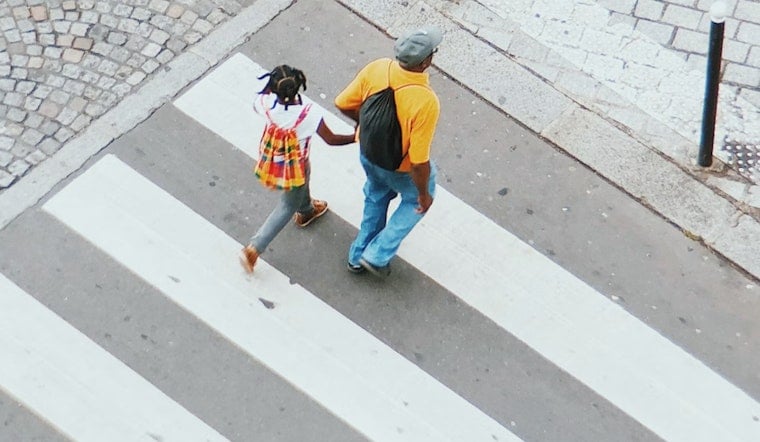
The Sacramento–Stockton region has landed on a list no city wants to crack: one of the country's most dangerous places to walk. A new national pedestrian-safety analysis shows the metro area is among the worst in the nation, and local advocates say the data simply confirms what they see every day at busy intersections. The findings are adding fresh urgency to neighborhood calls for cheaper, faster street fixes and tougher speed rules, just as residents are being asked to weigh in at Vision Zero outreach events this month and next.
National ranking and numbers
According to Smart Growth America, the Dangerous by Design 2026 report ranks metro areas by average annual pedestrian fatality rates per 100,000 people for 2020–2024. In that analysis, the Sacramento–Roseville–Folsom and Stockton–Lodi metros are tied for 19th, each with an average of about 3.21 pedestrian deaths per 100,000 residents. California as a whole lands eighth deadliest among states. The group also notes that roughly 7,080 people walking were struck and killed in 2024, a grim figure that keeps pedestrian safety front and center in local transportation debates.
Advocates demand action
For local street-safety advocates, the ranking is less a shocker and more a confirmation of a long-running crisis. "None of these had to happen," Isaac Gonzalez, founder of Slow Down Sacramento, told CBS Sacramento, as he called for quicker street redesigns that physically slow drivers. Gonzalez and other advocates are pushing for protected bike lanes, daylighting at crosswalks, and other quick-build measures that can roll out without waiting years for large capital projects.
City updates Vision Zero plan
The City of Sacramento says it is in the middle of updating its Vision Zero Action Plan, the city’s pledge to eliminate traffic deaths by 2027, and has been holding community workshops and pop-ups to gather feedback, according to the city’s own Vision Zero materials. City records show several outreach sessions in June and a July 30 workshop scheduled at La Familia’s Maple Neighborhood Center as part of that process. Officials are telling residents that the updated plan will guide which short-term projects get priority and will sketch out funding pathways for medium-term safety investments.
Lower speeds and policy choices
Speed management is at the top of the fix-it list for many advocates, including calls for 20 mph neighborhood limits that public-health experts say cut the odds a person on foot will die if hit. The World Health Organization has endorsed 20 mph, or 30 km/h, as a safe maximum in urban areas. Reporting by the Sacramento Bee shows growing pressure from activists and some council members for tougher speed policies and more rapid quick-build programs. City officials acknowledge that funding and staffing constraints have slowed big-ticket construction projects, which is why many residents are now leaning hard on leaders to move ahead with cheaper, faster fixes that can be installed across the city.
What to expect next
KCRA has already chronicled residents’ frustration, including specific neighborhood complaints about drivers blowing through stop signs or refusing to yield. City outreach on Vision Zero continues into July, and that July 30 workshop at La Familia's Maple Neighborhood Center is one of the key chances for residents to weigh in on which quick-build projects should move to the front of the line. Advocates say turnout at those meetings could shape whether the revised action plan leans heavily into speed management and low-cost crossings or continues to focus on slower, large capital projects.
Bottom line
The Smart Growth America ranking ties Sacramento and Stockton with other high-injury metros, but local leaders and safety advocates keep coming back to what they say are familiar solutions: slow cars, fix the most dangerous crossings, and move quickly on affordable projects. Over the next several weeks, neighborhood meetings and the Vision Zero update will test whether the city can find the political will and funding to turn those ideas into real-world changes in lanes, crosswalks, and speed limits.





