

























































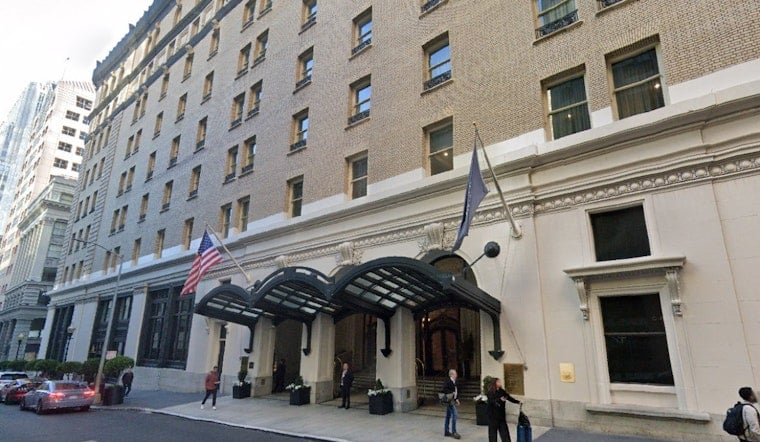
San Francisco hotel shoppers may think they’re booking a room directly, only to discover the hotel website was a pricey middleman in disguise. A lawsuit filed Wednesday by City Attorney David Chiu alleges two reservation companies added hundreds of dollars to hotel stays, including an alleged 85% markup on a Palace Hotel room.
The suit names Book Online, Guest Reservations and Booking Holdings, the parent company of Booking.com and KAYAK. According to The San Francisco Standard, the city says the sites use sponsored Google ads, hotel-branded web addresses and small-print disclosures to make third-party checkout pages look official. The lawsuit further alleges that Booking Holdings supplied room inventory and payment systems to the two companies.
The alleged funnel is simple: Search for a hotel, click a prominent result and land on a domain that looks close enough to the property’s real site to pass a hurried traveler’s eyeball test. Booking Holdings’ own brand information lists Booking.com and KAYAK among its major consumer-facing businesses, along with Priceline, Agoda and OpenTable.
Why The Alleged Booking Trap Matters To San Francisco
The lawsuit arrives as San Francisco is trying to turn a tourism rebound into reliable money for hotels, restaurants and neighborhood businesses. The San Francisco Travel Association projects 24.2 million visitors and $9.9 billion in visitor spending this year, while tourism supported nearly 64,000 jobs and generated $655 million in city tax revenue in 2025.
Every inflated reservation can also mean less money spent after check-in, whether on room service, a museum visit or dinner downtown. The city’s complaint argues that travelers who unknowingly pay a markup have less room in their budgets for the local economy, turning a hotel booking dispute into a tourism-recovery problem.
Guest Reservations Has Faced Similar Complaints Elsewhere
The San Francisco case is not the first time Guest Reservations has drawn scrutiny over how it presents itself online. In March, ABC News Australia reported complaints from travelers who said the site looked like a hotel’s official booking page, added unexpected fees and made refunds difficult.
One accommodation provider told the Australian broadcaster that reservations made through Guest Reservations appeared in its system as Booking.com bookings. That detail mirrors the San Francisco lawsuit’s central allegation: Travelers may believe they are dealing with a hotel or a familiar travel brand when another company is actually taking the payment.
What The San Francisco Lawsuit Seeks
Chiu said the companies pretend to be real hotels, charge excessive markups, and trap people in bookings, according to The San Francisco Standard. The city is seeking restitution for California consumers and civil penalties of $2,500 per violation against each company.
Those are allegations, not court findings, and the defendants will have an opportunity to respond as the case moves forward. Initial coverage said representatives of the booking companies could not be reached for comment.
For travelers, the immediate warning is fairly unglamorous but useful: Check the web address before paying, compare the price with the hotel’s official site and read the cancellation policy closely. A familiar-looking page is not necessarily the hotel’s own reservation desk—and in this case, the city says that distinction may have cost visitors hundreds of dollars.





