

























































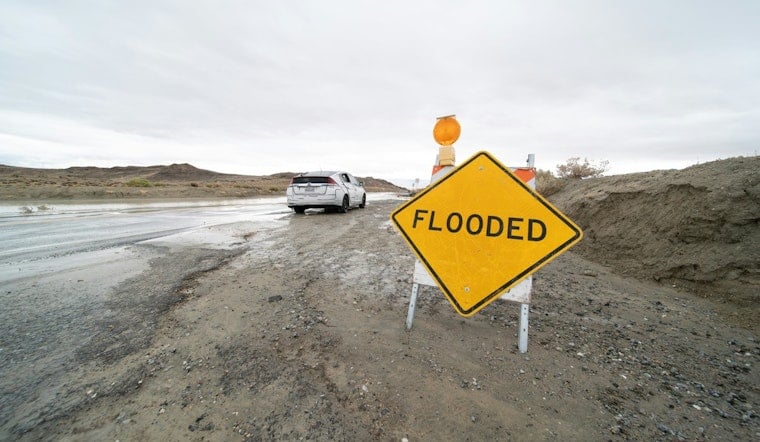
A Saturday afternoon turned tense along Interstate 40 when the National Weather Service office in Flagstaff issued a flash flood warning for parts of Yavapai and Coconino counties, putting Seligman and nearby stretches of the highway on alert. The warning specifically named Seligman and Seligman Airport and cautioned that heavy, fast-building storms could send dangerous runoff into low-lying roads and drainage systems. The alert was scheduled to remain in effect into the mid-afternoon, with expiration times around 5:15 p.m. MST within the outlined warning areas.
Forecasters reported radar-indicated thunderstorms dropping roughly 0.5 to 1 inch of rain, with more on the way in some spots, and warned that life-threatening flash flooding could develop along roads and washes, according to NWS Flagstaff. The advisory also pointed to specific stretches of roadway and drainage channels that could quickly become impassable once runoff starts to build.
The Arizona Department of Transportation helped spread the word on X, resharing the Flagstaff alert and urging drivers to steer clear of flooded roads and follow roadside message boards. The post appears on X at Arizona DOT, and the agency’s monsoon-season guidance urges motorists to rely on AZ511 and highway message boards for real-time closure and detour information, as ADOT explains.
Where the warning applies
The NWS advisory singled out Interstate 40 between mile markers 115 and 127, Business I-40 near mile marker 140, and portions of Route 66 between mile markers 136 and 139, along with drainages such as Turkey Canyon and Big Chino Wash, as the areas at highest risk, according to NWS Flagstaff. These areas, including Ash Fork and Kaibab Estates West, were highlighted as places where paved roads and underpasses can turn into flood zones in a hurry once runoff starts moving.
Why northern Arizona floods fast
Short, intense monsoon storms can dump an inch or more of rain in a brief burst, and in northern Arizona that is often all it takes. Steep terrain and recent burn scars can funnel that water into fast-moving torrents that collect in washes, channels, and low spots. Local reporting and emergency managers have repeatedly warned that burn-scar areas and desert washes near Flagstaff and Yavapai County tend to fill quickly during monsoon downpours, which spikes the flash-flood danger, as KNAU documented.
How to stay safe
Authorities are crystal clear on one point: do not try to drive through standing or moving floodwater. Even shallow, fast-moving water can lift and sweep away a vehicle. ADOT and local officials urge drivers to consult AZ511, pay attention to highway message boards, and follow standard flash-flood guidance that calls for turning around instead of attempting to cross a flooded roadway.
Residents and travelers are encouraged to monitor official updates from the National Weather Service and local public-safety channels for any changes in the warning. Local agencies may close roads or issue additional advisories if flooding develops in the warned areas.





