

























































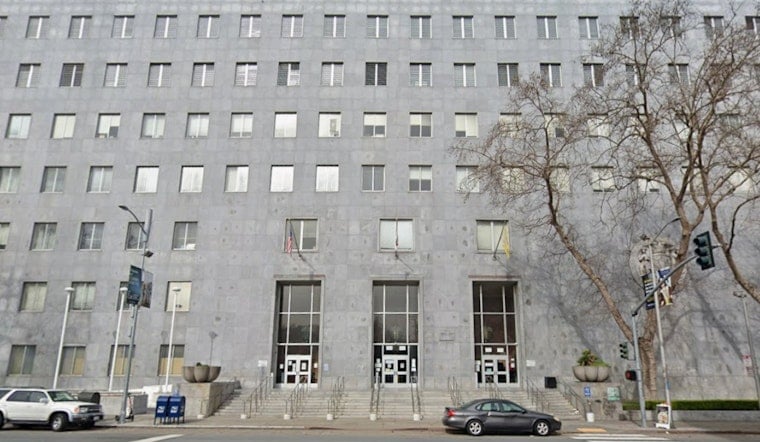
Things got awkward fast in a San Francisco Superior Court courtroom this week when a key prosecution witness in an attempted-rape trial repeatedly stumbled over basic anatomy, at one point pointing to his thigh when asked to indicate an anus. The exchange prompted a juror to formally ask the judge to bring in an interpreter for the witness. Judge Brian Ferrall denied the written request, saying the witness speaks English and was capable of answering questions from both sides. The case stems from an alleged attempted rape on April 26, 2025, on a Route 29 Sunset Muni bus and is being tried in Department 13.
According to the Davis Vanguard, Deputy District Attorney Tanisha Gooch played surveillance video captured at the rear of the bus, then called the Muni operator to walk jurors through what he saw. The operator, who testified that he has worked for the San Francisco Municipal Transportation Agency for eight years, became the center of attention during cross-examination when defense attorney Max Breecker pushed him on anatomical terminology. The witness at one point located the anus on the thigh, then gestured to a different body part, and later settled on calling it the butt. After the testimony wrapped, jurors submitted written questions, including one that asked whether an interpreter should have been provided for the operator. Ferrall turned that request down.
Case Docket And Courtroom
Public docket summaries show the case is assigned to Department 13 with Judge Brian L. Ferrall presiding, and list a series of recent motions and hearings logged this spring and summer. Court event entries on Bluedoor line up with what you would expect from an active jury trial, including dates consistent with in-court testimony.
Language Access Rules At Play
California courts have spent years discussing language access, not just in abstract policy memos. The Judicial Council’s Strategic Plan calls for qualified interpreters to be available so that people with limited English proficiency can actually participate in their cases in a meaningful way. Courts also publish guidance and resources that spell out how that is supposed to work in practice.
The state’s rules of court set out the mechanics for appointing interpreters, including when a judge can use a noncertified or provisionally qualified interpreter if certified interpreters are unavailable. Rule 2.893 is one of the key provisions that frames those decisions, and both California Courts and the text of Rule 2.893 walk through the standards judges are supposed to apply.
What It Could Mean For The Trial
The defense could later argue that the operator’s language limitations or confusion over anatomical terms undercut the accuracy or clarity of his testimony. Appellate courts, however, typically require a concrete showing that any language problem actually harmed a substantial right before they will disturb a trial court’s ruling.
California precedent recognizes both the right to an interpreter and the broader need for meaningful participation in courtroom proceedings, while still giving trial judges significant discretion over interpreter appointments. That balance is unpacked in decisions such as the California Supreme Court’s discussion in People v. Suarez, which is likely to be part of the legal backdrop if this case ever reaches a higher court.
For now, the trial continues, with jurors weighing the bus surveillance video alongside the operator’s sometimes tangled testimony as lawyers on both sides drill into details that could matter at trial and, potentially, on appeal. More background on the testimony and the juror’s translator question is available from the Davis Vanguard. Route 29, the 29 Sunset line, cuts across the city and serves both the Sunset and Bayview neighborhoods.





