

























































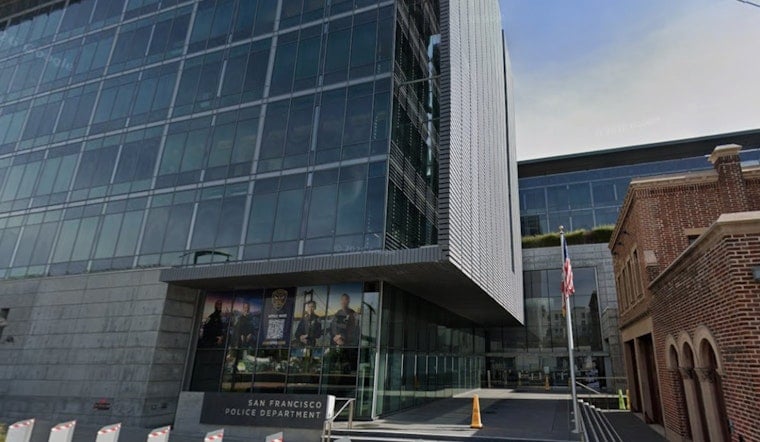
San Francisco’s system for investigating sexual assault is buckling under pressure. Detectives are stretched thin at the very moment more survivors are coming forward for medical care and crisis support. Public records and recent reporting point to a shrinking detective pool, busier crisis lines and evidence backlogs, a combination that victims and advocates say leaves too many cases stuck in neutral. The fallout shows up in fewer arrests, fewer trials and a growing sense among survivors that their reports never really get a fair shot.
Special victims unit shrank as demand rose
The department that handles rape and related crimes has been running with less staff and more work. According to The San Francisco Standard, the Special Victims Unit went from roughly 60 investigators in 2019 to about 31 today. The core pool that now covers domestic violence, sexual assault, child abuse and elder-abuse cases is down to about two dozen detectives, a staffing level the investigation reports left them with more than 60,000 hours of work last year.
Sexual-assault kit report shows many inactive cases
The department’s semi-annual Sexual Assault Evidence Kit (SAEK) report shows the crime lab is largely keeping pace with the science, even as the investigative side lags behind. Per the San Francisco Police Department, the average turnaround for testing kits was about 34 days, and the lab uploaded scores of foreign DNA profiles to CODIS. Yet the same report listed more than a hundred SAEK-linked investigations as inactive when it was published, underscoring the gap between lab work and follow-through on the street.
Pretext calls and the burden placed on survivors
Some investigative shortcuts shift the hardest parts of building a case back onto victims. Academic research on interrogation by proxy describes how police may ask victims or acquaintances to place recorded pretext calls to suspects in hopes of catching incriminating statements. Critics say the practice effectively turns survivors into stand-in detectives, forcing them into direct contact with alleged assailants in order to move their own cases forward.
At the same time, the city’s civilian oversight office reported a jump in complaints about SFPD conduct in its most recent quarterly report, a trend advocates link to overburdened detectives and increasingly aggressive case tactics. For survivors, that can translate into feeling both under-protected and over-relied on.
Cases cleared and prosecutions fall
The combination of thinner staffing and heavier pressure shows up clearly in case outcomes. As reported by The San Francisco Standard, the county’s rape-case clearance rate has dropped sharply over the last decade. In 2025, prosecutors were presented with 52 rape cases and filed charges in 37, but only five went to trial last year.
The same reporting notes that local crisis services saw big increases in calls and in people seeking medical care, a sign that demand for help is climbing even as investigative capacity shrinks. On paper, the system is processing more pleas for support. In practice, fewer of those reports are making it all the way to a courtroom.
Legal implications
Fewer arrests and a thin trial calendar carry real consequences for both victims and public safety. Prosecutors need corroborated evidence to bring charges, yet that evidence often hinges on detectives having enough time and resources to do detailed follow-up work. When forensic lab results, investigative legwork and prosecutorial decisions do not line up, cases fall through the cracks.
The gap between what the lab produces, what detectives can realistically pursue and what prosecutors ultimately file raises a basic policy question: should the city focus first on hiring and staffing, on clearer protocols for victim-centered evidence collection, or on some mix of both.
What to watch next
Key signs of change will be whether the city moves to bulk up SVU staffing, revises investigative protocols around pretext calls, or boosts support services so survivors are not effectively tasked with gathering their own evidence. For now, victims and advocates say their wish list is straightforward. They want detectives who have the time to investigate, and a system that treats forensic results as the beginning of a fully resourced case, not the end of the line.



