

























































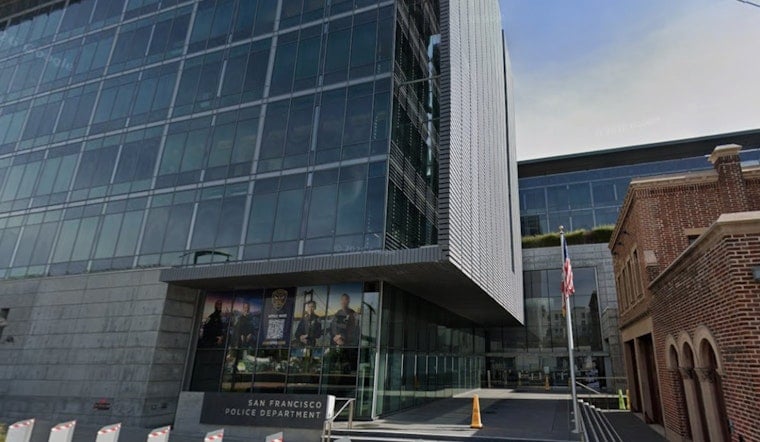
For at least two days in June, anyone with the right web address could quietly drop into San Francisco Police Department drone feeds in real time. Security researchers say they archived that open stream, preserving hours of color and thermal footage of police operations across San Francisco, including close-up views of detentions, vehicle tracking and clearly visible faces inside public spaces. The result is a rare, unfiltered look at who is watching the city from above.
What Researchers Archived
The researchers’ archive spans roughly 48 hours in mid June and pulls together 60 videos from 20 separate flights, recorded from three feeds: color, thermal and a rooftop dock view. According to WIRED, the trove includes more than three hours of color footage, roughly the same amount of thermal video, over 5,000 GPS telemetry points tracing about 44 miles of flying and names and email addresses for several pilots.
How ReadyLinks Work
Skydio’s cloud software lets operators generate shareable ReadyLinks that stream a drone’s live video to a web browser and can be protected with a PIN or an expiration date. As outlined by Skydio, those controls are meant to keep feeds private, but a misconfigured link can turn a supposedly restricted stream into something anyone with the URL can watch.
A Rapidly Expanding Fleet
City records and public briefings show that the SFPD’s drone program has grown quickly. In a Police Commission transcript, the department reported a fleet of about 98 drones and said they had been deployed approximately 1,122 times in a recent reporting period. The department’s open flight logs also show deployments spiking in 2026. According to reporting by the San Francisco Chronicle, there were 3,558 drone deployments in the first five months of 2026.
Officials And Investigators React
In a statement to WIRED, the SFPD described the exposed web address as an internal restricted link intended for law enforcement use and said it had put more restrictive sharing protocols in place while it investigates. Privacy advocates counter that the incident shows how easily aerial video can sweep up uninvolved people and private spaces and say technical safeguards matter just as much as paper policies.
Legal And Policy Questions
SFPD unit orders require that drone digital media evidence with no evidentiary value be deleted within 30 days and limit drone use to active criminal investigations, vehicle pursuits and training exercises, according to the department’s Unmanned Aircraft System policy. A broader legal review is also underway in California, where a 2025 task force report and recent court cases have been wrestling with how the California Public Records Act applies to police video, complicating oversight and disclosure rules.
Local Context And Oversight
San Francisco’s push to embed drones in everyday policing has been controversial, and local reporting has documented drone-assisted takedowns along with community calls for tighter guardrails. Hoodline has previously covered SFPD drone operations, and community groups and the Police Commission are expected to press for more detail as the department completes its review.
The exposure is likely to prompt renewed scrutiny of technical safeguards, retention rules and transparency measures as officials and oversight bodies weigh next steps. We will update this story as the department and independent researchers release more information.





