

























































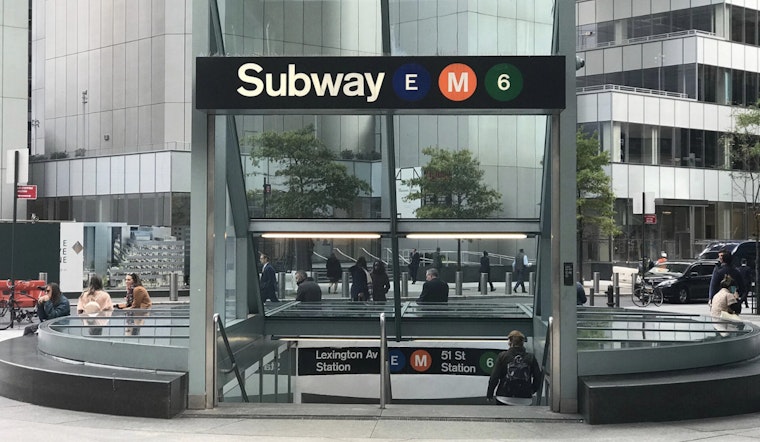
Manhattan’s East Side riders had their patience tested Wednesday evening when a signaling failure on the Lexington Avenue line turned the 4, 5 and 6 trains into a creeping caravan. Trains crawled along at reduced speeds, platforms swelled with frustrated commuters, and what should have been quick trips home stretched into hour-long slogs well into the early evening.
The Lexington Avenue trunk is one of the subway’s key arteries, so even brief glitches can spread chaos up and down the line. As noted on Wikipedia, the 4, 5 and 6 carry some of the heaviest passenger loads in the system across Manhattan and into the Bronx, which means any outage lands like a punch to the entire network.
What Happened Wednesday
According to the New York Daily News, automated train supervision suddenly went dark along the local tracks of the No. 6 between 86th Street in Manhattan and 138th Street–Grand Concourse in the Bronx. With the electronic eyes out, dispatchers had to run trains manually, forcing everything to slow to a crawl. A section of wiring failed, and transit officials suspected a faulty fiber optic cable had cut the link between the Midtown rail control center and the local control towers at 86th, 125th and 138th streets.
Why an ATS Failure Matters
Automatic Train Supervision is what lets dispatchers track trains in real time and fine tune how they move through the system. When ATS or the communications behind it go down, crews have to switch to old-school manual control, which slashes capacity and drags speeds way down. The technical weak spots in that setup, and how modern signaling leans on fiber and other communications links, are outlined on Wikipedia, which explains how a single severed fiber line can trigger long delays.
Alternatives for Riders
During the meltdown, riders were urged to hop over to the 1, 2 or 3 trains or the B, D, N, Q, R and W lines in Manhattan. Metro-North also cross-honored fares between Grand Central and Wakefield on some trips, according to the New York Daily News. MTA crews dispatched trains from local towers while technicians hunted down the wiring problem, but the damage was done: residual delays dragged on into the evening and platforms stayed jammed.
Riders were urged to keep an eye on MTA service alerts and transit apps for fresh updates before heading out, and to brace for continuing East Side delays until signaling and communications are fully restored. In the meantime, commuters were left with longer waits, packed stations and the familiar New York ritual of hoping the next train actually shows up.





