

























































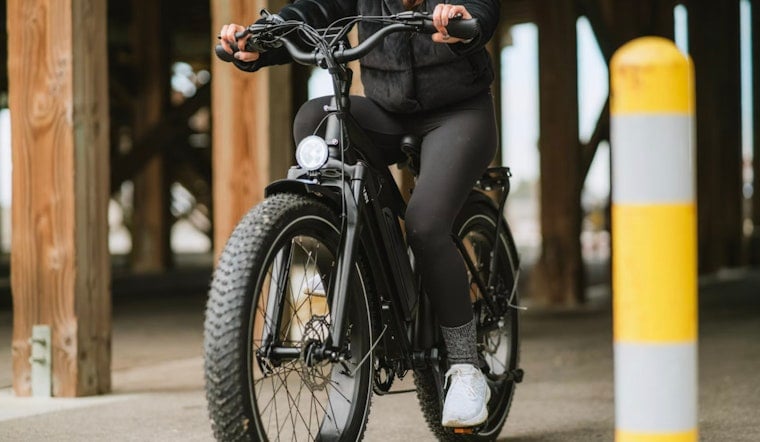
South Florida’s e-bike boom is colliding with courtrooms, crash scenes and politics, and no one seems to agree on who should pay when things go wrong. A blockbuster jury award, a series of serious crashes and a vetoed safety bill have turned what used to be a niche transportation trend into a full-blown regional fight over responsibility and risk.
Earlier this month, a Palm Beach County jury handed down more than $5.1 million in damages over an electric bike crash and split the blame three ways: about 40% to an apartment community, 40% to the boy’s mother and 20% to the child himself, as reported by CBS12. Local e-bike rental owner Fari Amirian told the station that parents regularly come in asking which electric bikes they should be buying for their kids, underscoring how family decisions are now tangled up with potential legal liability.
Legislative Fix Died In Tallahassee
State lawmakers thought they had a partial answer. Senate Bill 382, which passed unanimously, would have created a statewide micromobility safety task force, added new crash reporting requirements and capped speeds at 10 miles per hour within 50 feet of pedestrians. Gov. Ron DeSantis vetoed the bill on June 25, and critics say he objected because the measure could open the door to expanded local surveillance, according to reporting by Florida Politics.
What The Law Actually Says
For now, Florida treats many electric bikes much like traditional bicycles. Under state law, an electric bicycle with operable pedals and a motor rated at no more than 750 watts is classified as a bicycle, which means no driver’s license, vehicle registration or auto insurance is required. Class 3 e-bikes can assist pedaling up to 28 miles per hour, and riders and passengers younger than 16 must wear helmets, per Florida Statutes §316.20655.
Enforcement And Crashes On The Ground
Local law enforcement has started to trade warnings for tow trucks. Martin County deputies reported seizing several illegal or modified e-bikes during targeted operations in April, according to coverage collected by Leesfield & Partners. At the same time, a March 2025 crash in Jupiter that killed a 12-year-old rider, along with other recent hospitalizations, has kept pressure on sheriffs and city managers to respond, as reported by local outlets including WPBF.
Where Liability Lands
Because many e-bikes are treated like bicycles and do not require registration or insurance, injured riders and pedestrians often end up in civil court. That can mean premises-liability lawsuits against property owners or other creative legal theories, just like the case that produced the recent multimillion-dollar verdict.
“E-bike injuries can be life-changing,” personal-injury attorney David Shiner told CBS12. Lt. David Rosko, also speaking to the station, said the vetoed bill “would have been a step in the right direction,” signaling how some in law enforcement are looking to lawmakers for clearer rules instead of case-by-case courtroom battles.
What To Watch Next
With SB 382 off the books, the action is shifting to city halls and county commissions. Expect more local ordinances, enforcement sweeps and lawsuits as officials try to rein in fast, sometimes modified machines on packed sidewalks and multi-use trails. Some municipalities already restrict rider ages or ban e-bikes from certain sidewalks, and the next round of changes may come through police policies or county code rewrites rather than a statewide compromise. One example is recent local rulemaking in Miami-Dade County.
In the meantime, parents, riders and rental shops are left to make their own calls on helmet use, bike power and supervision. Until regulators or local lawmakers draw firmer lines, courts are likely to keep sorting out who is to blame after each new crash.





