

























































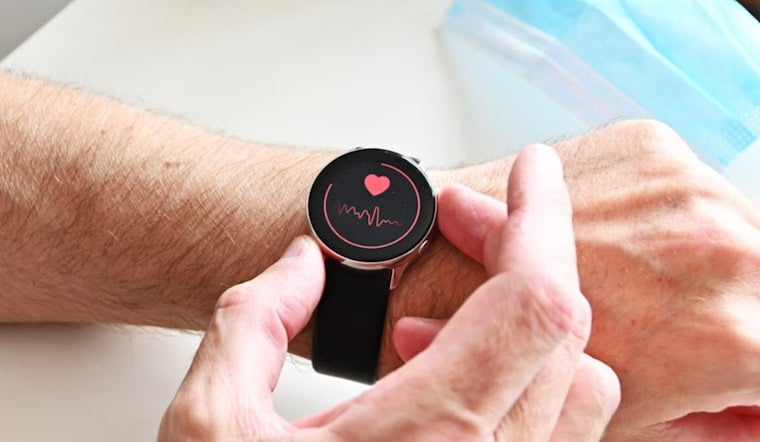
A St. Charles County man went from a smartwatch scare to the operating table in short order, becoming the first local patient to receive what coverage described as a “breakthrough” treatment for atrial fibrillation. His watch flagged an irregular heartbeat, he sought medical help, and within days he was in a procedure that clinicians say reflects a fast-growing pattern in heart care.
According to First Alert 4, the wearable device detected an abnormal rhythm that sent him to specialists, who then performed the new therapy. The outlet reported on July 3, 2026, that the operation was the first of its kind for a St. Charles County resident.
What Clinicians Mean By “Breakthrough”
When reporters describe new AFib procedures as “breakthrough,” they are often pointing to pulsed-field ablation, or PFA, a non-thermal technique that uses short electrical pulses to disable misfiring heart tissue while aiming to limit collateral damage. As reported by Cleveland Clinic, clinical trials have found that PFA can cut down on persistent AFib coming back compared with medications, and device makers note that systems such as Medtronic’s PulseSelect have received U.S. clearance in recent years.
Smartwatches Can Speed Diagnosis, With Caveats
Wearable gadgets now routinely buzz users about irregular heart rhythms, and those alerts can be the nudge that gets someone into a clinic sooner rather than later. The American College of Cardiology has highlighted app-based research and the Apple Heart Study that show smartwatch notifications often lead to follow-up testing. At the same time, professional guidance is clear that a watch alert is not a formal diagnosis. It should trigger a proper electrocardiogram or ambulatory monitoring, with clinicians still in charge of deciding what is really going on and what to do next.
How Clinicians Typically Follow Up
Studies of how doctors react to irregular-rhythm alerts from wearables show that the most common response is to order standard tests like ECGs and ambulatory heart monitors. That stepwise approach, from alert to diagnosis, is how patients end up eligible for targeted therapies, including newer ablation options that are rolling out at regional centers as hospitals adopt updated technology.
The First Alert 4 report highlights how a ping on the wrist can compress the whole timeline of cardiac care, taking someone from a smartwatch warning to a high-tech procedure in a matter of days. For anyone who gets an irregular-rhythm notification, experts say the move is not to panic, but to call a clinician, get confirmatory testing, and work out a personalized plan, in line with what professional societies recommend.




