

























































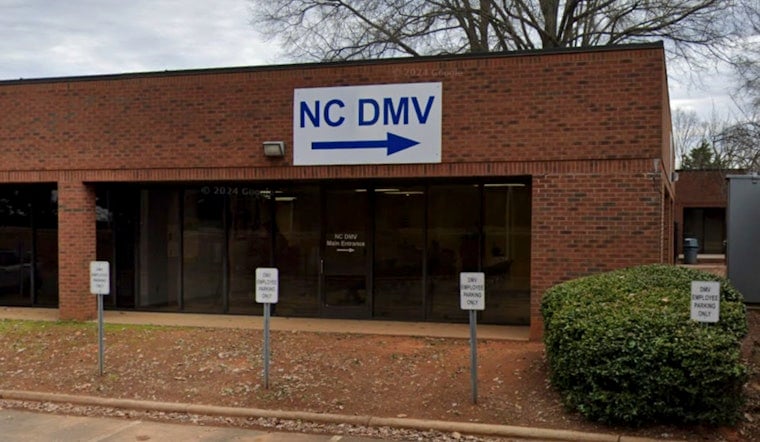
Starting Oct. 1, North Carolina will stop issuing the little validation stickers that go on license plates and the printed vehicle registration cards many drivers stash in their glove boxes. The change is tucked into this year’s state budget and shifts proof of registration into electronic records maintained by the Division of Motor Vehicles. Motorists will still have to pay annual registration fees, property taxes and get required inspections, but the visual sticker and mailed card that used to arrive with renewals are headed for retirement.
What's changing and when
The update is part of the budget bill Gov. Josh Stein signed into law on July 7, which lists Oct. 1, 2026, as the effective date for a slate of DMV changes. According to the North Carolina General Assembly, the statute revises how registration plates, cards and renewal stickers are handled and directs the Division of Motor Vehicles to transition toward electronic records.
How drivers will prove registration
Under the budget language, the DMV must build and maintain a secure vehicle registration system that allows drivers and law enforcement officers to pull up records electronically. The law also lets customers request a printed registration card for a fee. As reported by The News & Observer, any fee for mailing a paper copy cannot be higher than the actual cost to print and mail it.
How police will verify registration
Police departments already run electronic checks on license plates during traffic stops, and dropping the stickers simply follows that reality. WBTV notes the law is written so officers can verify registration without a visual decal, relying instead on DMV electronic records beginning Oct. 1.
Why the state says it matters
Lawmakers and budget writers cast the change as a money saver and a long-overdue modernization of DMV paperwork. The North Carolina General Assembly budget language says the move is intended “to reduce administrative costs, streamline vehicle registration processes, and enhance efficiency.”
Privacy and enforcement concerns
Civil-liberties groups and privacy advocates, however, warn that leaning harder on digital systems could mean more dependence on automated license plate readers and other surveillance tools. WRAL has reported on debates over expanding plate-reader programs and quoted critics who argue that broader digital access to plate data raises new privacy questions.
What drivers should do now
For now, drivers should hang on to the stickers and registration cards they already have until the new rules take effect and the DMV spells out how the transition will work. As The Charlotte Ledger reported, the DMV has not yet detailed exactly how motorists will access digital registration records, and agency officials are still working through the technical specifics.
Modernization push behind the scenes
The sticker-and-paper phase-out is part of a broader NCDMV modernization push. The agency has been preparing technology upgrades that would support an electronic registration system. Local reporting says the NCDMV selected a vendor this spring to modernize its systems, and internal planning documents call for cutting down on paper-based transactions such as mailed registration cards and stickers. WPTF covered the vendor award, and the agency’s own NCDOT strategic plan lays out a goal to move away from physical materials.
Drivers can expect the DMV to release step-by-step instructions well before the Oct. 1 rollout, including whether registration will live inside a MyNCDMV account, in a standalone app, or both. Keep an eye on NCDMV announcements and your renewal notices for details on how to show digital or printed proof once the new system goes live.





