

























































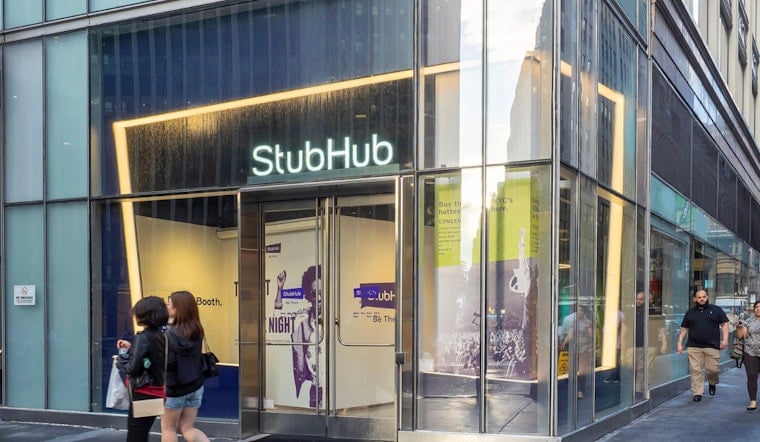
A proposed class action in Manhattan federal court is turning World Cup heartbreak into a high-stakes legal fight, accusing StubHub of leaving thousands of ticketholders stranded after last-minute cancellations and seeking at least $5 million in damages. The June 30, 2026 filing says many fans traveled long distances for matches they never got to see and that resale guarantees did not produce the tickets they had already paid for.
Federal Complaint Lays Out Ticket Meltdown
The complaint filed on June 30, 2026 in Manhattan federal court describes mass cancellations that allegedly hit thousands of buyers across the United States, Mexico and Canada, according to Reuters. The suit asks a judge to certify a class and to award at least $5 million to cover lost experiences, travel expenses and related costs tied to the canceled tickets.
Fans Describe Chaos At Stadium Gates
The Associated Press followed buyers who showed up at stadium entrances expecting digital tickets that never fully transferred, leaving them refreshing apps and pleading with staff while the matches kicked off without them. Some fans spent hours ping-ponging between resale customer service lines and FIFA support, trying to salvage the day. The Associated Press chronicled several families left outside World Cup matches, and Hoodline's local report, Ticket App Meltdown, captured similar scenes and last-minute survival tips for fans in host cities such as Atlanta.
StubHub And FIFA Trade Blame
StubHub has blamed transfer glitches in FIFA's newly launched ticketing app and last-minute restrictions for many of the failed deliveries, arguing that its hands were tied by the governing body's technology and rules. FIFA, for its part, has said its official resale marketplace is the only channel it can stand behind. As reported by The Guardian, that finger-pointing has left customers squeezed between competing systems while organizers and resale platforms scramble to rebook seats or issue refunds.
Legal Hurdles And Regulator Scrutiny
Legal experts note that terms like StubHub's FanProtect guarantee and other restrictive contract language may limit what buyers can realistically recover in court or arbitration, beyond basic refunds. Consumer advocates and legal commentators have also highlighted forced-arbitration clauses and discretionary remedy provisions as practical roadblocks for individuals hoping to claim more than their original purchase price, and state attorneys general have opened separate inquiries into World Cup ticketing practices. Per Reuters, the complaint alleges that the cancellations were widespread and seeks monetary relief on behalf of thousands of affected ticketholders.
The case is still in its early days in the Southern District of New York, where it will move through discovery and pretrial motions. Plaintiffs' lawyers say that internal records could eventually show how many orders StubHub canceled and why replacement seats were not secured in time. Hoodline will keep tracking new filings and the local fallout as the litigation unfolds.




.jpg)