

























































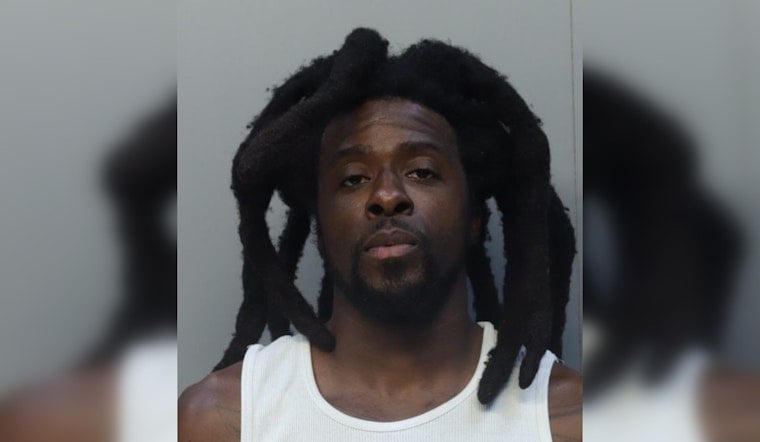
Miami detectives say a single fingerprint on a stray pair of sunglasses torched a months‑long burglary mystery in Silver Bluff Estates, landing 37‑year‑old Quindy Janvier in handcuffs this week. The May 26 break‑in, according to police, left a local couple out roughly $150,000 in jewelry.
Officers were called to the 2600 block of Southwest 23rd Avenue after a woman showed up at the home and spotted a broken bedroom window and a ransacked interior, according to an arrest report. Investigators later found a pry tool outside the damaged window and discovered sunglasses in a bedroom that did not belong to the residents. Surveillance footage reviewed by detectives showed someone riding a standing scooter near the home just minutes before the theft, then sprinting from the yard shortly afterward, as reported by WPLG Local 10.
Detectives say a latent fingerprint lifted from the sunglasses lens was analyzed and matched to Janvier, who lives in the Brownsville neighborhood. Police arrested him on Thursday. Jail records list one count each of burglary of an occupied structure, third‑degree grand theft and criminal mischief causing $1,000 or more in damage, and show he was booked into Turner Guilford Knight Correctional Center with bond listed as "to be set." "Danny, youve been robbed," the arrest report quotes a woman telling a homeowner when she first noticed the broken window, per WPLG Local 10.
How the Print Broke the Case and What the Charges Mean
Latent prints taken from items like sunglasses are typically run through automated fingerprint‑identification systems and checked against booking databases. From there, trained examiners visually compare the top hits before confirming a match, a process outlined in Forensic Science Research. Under Florida law, burglary of an occupied structure and third‑degree grand theft are felony offenses, and prosecutors decide how to charge cases that meet the state’s value thresholds, per the Florida Statutes.
Police have not released additional details beyond what is in the arrest report, and it will be up to prosecutors to determine whether formal charges are filed. For now, the case sits in the county system as a rare example of a print on a small personal item helping close a residential burglary investigation weeks after the crime.





