

























































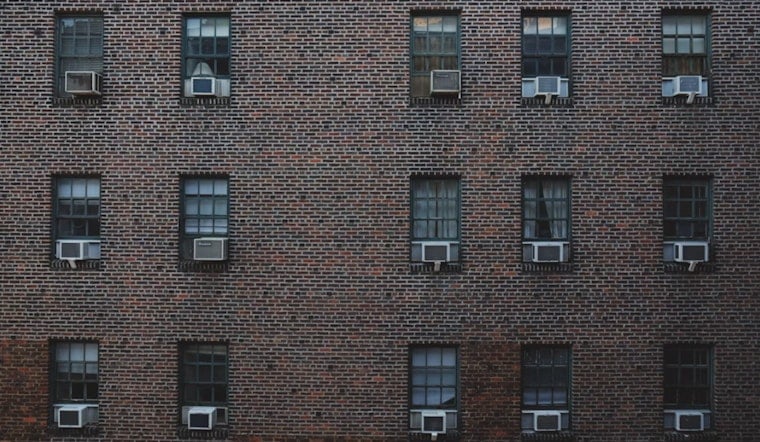
Boston is broiling under a heat dome that is shoving temperatures toward triple digits, and the city is suddenly asking a very pointed question: Should landlords be legally required to keep apartments cool, not just warm?
Right now, Boston’s rules guarantee heat in winter but say nothing about summer cooling. Renters and housing advocates argue that gap leaves tenants, especially those in basement units and top-floor walk-ups, dangerously exposed when the mercury spikes. The push to change that is gaining steam as other cities and states move to cap maximum indoor temperatures and as state and local climate plans start treating extreme heat as a core public-safety issue, not just an inconvenience.
The emerging fight is less about whether heat is a problem and more about the details: who pays for new equipment, how the city would check if landlords are in compliance, and whether smaller property owners would get extra time or special treatment as any new rules roll out.
In its climate strategy released this spring, the Wu administration signaled that it wants statewide action that would set a legal maximum indoor temperature. In a statement to the Boston Globe, Chris Osgood, director of Boston’s climate resilience office, said, “The City will conduct additional analysis and public engagement to identify what options could work best for Boston.”
Advocates point out that nearly 90 percent of Massachusetts homes have some form of air conditioning, yet plenty of renters still sweat it out in poorly cooled units or are blocked by lease terms from installing simple window units. One tenant told the Globe she spends roughly $150 a month just to run her air conditioning. Last weekend, climate organizers in Roxbury raffled off five window units at a community workshop to spotlight both the desperate need for cooling and the practical headaches families face when they try to get it.
How Other Cities Are Setting Limits
Boston is hardly the first city to wrestle with what “too hot” means inside a rental. New York City’s Council has already adopted a local law that defines “adequate cooling” as an indoor temperature no higher than 78°F. That standard will phase in for building owners by June 1, 2030, and tenants will be able to flag problems through 311, according to the New York City Council.
The New York law also spells out technical standards for what counts as an acceptable cooling system and sets a schedule for when different types of buildings must come into line, giving owners several years to plan and budget.
Los Angeles County And California Moves
On the other coast, Los Angeles County’s Board of Supervisors has signed off on an ordinance that sets an 82°F maximum indoor temperature for rental units in unincorporated areas, with enforcement slated to begin January 1, 2027, and phased-in compliance for smaller landlords. The county’s rules, reflected in county code updates and public-health guidance, are less prescriptive about the exact technology than about the end result.
Landlords there can meet the standard through a mix of options, from better ventilation and cool roofs to installing heat pumps, as long as interior temperatures stay below the 82°F cap. At the state level, California enacted SB 655 last year, formally declaring that it is state policy for dwelling units to be able to attain and maintain a safe maximum indoor temperature. The statute itself stops short of naming a specific number. LA County code and California’s SB 655 lay out the fine print.
What Compliance Would Cost
Underneath the policy debate is a blunt question: How much will this cost, and who is stuck with the bill?
Basic window air conditioners typically run a few hundred dollars at retail. Whole-unit heat-pump retrofits, on the other hand, can get pricey fast, depending on the size and layout of a building and how many zones need cooling. Industry price surveys show that ductless and multi-zone mini-split projects often land in the low tens of thousands of dollars for full-home installations, although single-room systems are far cheaper.
That gap in cost is a big reason tenant groups are pushing for public funding, realistic delivery logistics, and guardrails so renters are not left paying both for capital upgrades and for higher monthly energy bills on top of rising rents. For typical store pricing on window units, advocates point to consumer cost guides, and for heat-pump market averages they cite industry marketplaces and installers.
Enforcement, Funding And Equity
Then there is the question of actually making any rule stick. New York’s cooling law relies on 311 complaints and follow-up municipal inspections. Los Angeles County built a complaint-driven inspection track into its existing habitability program.
Experts say a Boston cooling mandate would be far easier to pull off if it lines up with steady rebate and financing programs. Massachusetts’ Mass Save currently offers rebates, income-eligible pathways, and 0% HEAT loans to help cover heat-pump installations and other efficiency work. Lawmakers and advocates argue that the strength of those programs, and how they are funded, will determine whether a cooling requirement becomes a real protection for renters or simply a new cost shifted onto households that can least afford it. For details, see Mass Save.
For now, Boston officials say they plan more public engagement and technical study before moving toward any specific law. The city effectively faces three broad options: write its own municipal ordinance, press the state to adopt a standardized maximum indoor temperature, or lean harder on existing tools like rebates, cooling centers, and emergency protections to keep people safe.
What was once a wonky policy discussion has turned into something much more tangible for tenants lying awake in stifling bedrooms. The timeline for action is still murky, but for Boston renters without reliable cooling, the stakes are already crystal clear.



