

























































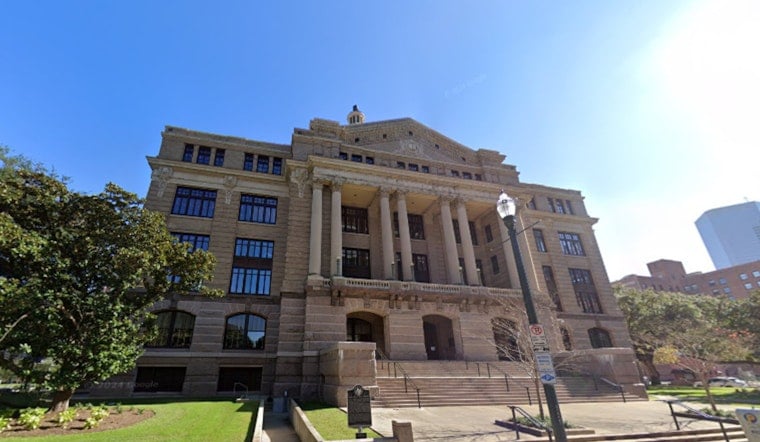
On Thursday a divided panel of the U.S. Court of Appeals for the Fifth Circuit ruled that Immigration and Customs Enforcement may not hold people under the Trump administration’s mandatory-detention policy for more than 90 days without offering a bond hearing. The 2-1 decision could significantly expand the number of detainees who get to ask an immigration judge for release and may affect people held across Texas and Louisiana. Immigration lawyers said the ruling is the latest turn in a widening circuit split that may end up at the Supreme Court.
Judge Leslie H. Southwick wrote for the majority that "a hearing must be held within 90 days," and that at that hearing the government must provide an individualized justification for continued detention, according to Bloomberg Law. Judge James E. Graves Jr. joined parts of the opinion and pressed for faster relief for people already jailed. The panel also affirmed habeas grants for three men who had lived in the U.S. for years and were arrested in Texas, Bloomberg Law reported.
The ruling came in a 2-1 decision that, according to Reuters, could affect thousands detained within the Fifth Circuit's reach. Southwick relied on Supreme Court precedent that says the Due Process Clause protects people inside U.S. borders, while the dissent accused the majority of stepping on Congress’s plenary immigration authority. A Department of Homeland Security spokesperson told Reuters the agency disagrees with the decision and remains confident in its legal position.
The case started with routine traffic stops in Texas, where state troopers turned three long-time residents over to ICE and the men were held without bond, according to The Texas Tribune. Ignacio Sosnava Rodriguez, Miguel Angel Gomez Alvarado and Alejandro Villegas Angel were later released after district judges found that their continued detention violated due process. The Texas Tribune noted that the ruling comes amid a surge in litigation challenging the administration’s detention policy.
What This Means For Detainees
Attorneys say the ruling could restore bond hearings for people who have lived in the U.S. for years but were treated as "applicants for admission" under a 2025 agency interpretation. Courts have already been flooded with habeas petitions challenging that approach, and ProPublica shows nearly 47,000 such filings in the first 13 months of the administration, leaving judges and detention facilities strained by the caseload. More bond hearings in the Fifth Circuit would likely push immigration courts to prioritize bond redetermination hearings and could speed some releases, advocates said.
Legal Road Ahead
The decision deepens a circuit split that the administration has already asked the Supreme Court to resolve. The government filed a petition seeking review in Raycraft v. Lopez-Campos (No. 25-1415), asking the justices to decide whether certain noncitizens who entered without inspection may be detained without bond hearings, according to KennedyVisas. If the Court takes the case, its ruling could determine whether the 90-day limit applies nationwide or whether the agency’s mandatory-detention reading survives.
Immigrant advocates welcomed the decision. Rebecca Cassler, a lawyer for the detainees, said the panel recognized that "the due process clause does not allow the government to lock them away indefinitely," according to Reuters. Attorneys said families with loved ones in custody should consult counsel promptly to push for bond hearings in jurisdictions covered by the Fifth Circuit.





