

























































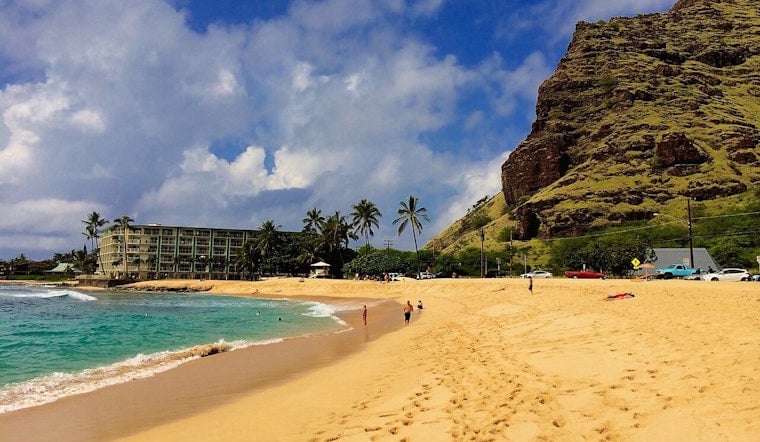
A tiger shark reportedly chowing down on a turtle about 150 yards off a West Oahu beach on Tuesday was enough to clear the lineup in a hurry, as lifeguards at Makaha ordered everyone out of the surf and threw up warning signs. Ocean Safety crews kept eyes on the water from towers and rescue craft while officials urged beachgoers to stay on shore and follow lifeguard instructions until the shark advisory is lifted.
According to Hawaii News Now, the Honolulu Ocean Safety Department issued the advisory at 2:14 p.m. and posted bright "Shark Sighted" warning signs at Makaha Beach Park. The outlet described the shark as a 6- to 8-foot tiger cruising roughly 150 yards from shore while feeding on the turtle.
What lifeguards told beachgoers
Once a credible shark report comes in, lifeguards typically clear everyone from the water, post warning signs, and continue patrols while they reassess conditions. They will usually keep the signs up and keep scanning from towers, ATVs, and rescue craft until they are confident the immediate risk has passed.
NOAA Fisheries' marine-life viewing guidelines emphasize that people should give turtles and other protected animals plenty of space and avoid interfering with wildlife activity, even when it is hard to watch. For recommended viewing distances and tips, see NOAA Fisheries.
The state Division of Aquatic Resources reminds the public that if a shark is actively feeding on a turtle, it is considered natural predation and people should not attempt to intervene. Instead, officials ask that injured or entangled animals be reported to authorities so trained responders can step in, per DLNR.
Why tiger sharks hunt turtles
Tiger sharks are opportunistic apex predators with a broad menu that commonly includes sea turtles, and scientific studies show they regularly forage in nearshore Hawaiian waters. That pattern helps explain why turtles can be especially vulnerable when they are at the surface, injured, or otherwise compromised. For more on tiger shark movements and behavior around the islands, see Scientific Reports for research on tiger-shark ecology in Hawai‘i.
How to report a sighting
If you see a shark or a turtle that appears to be in distress, the guidance is simple: stay out of the water, alert Ocean Safety personnel if they are nearby, or call 911 and follow lifeguard directions. For injured, hooked, or entangled marine animals, report immediately to NOAA's Marine Wildlife Hotline at 1-888-256-9840. The DLNR resource page also lists DOCARE and other local contacts for wildlife emergencies. Lifeguards will keep monitoring the break at Makaha and update or lift the advisory as conditions change.
Local pattern
The Makaha sighting adds to a growing list of shark advisories along Oahu’s leeward coast this year, as lifeguards repeatedly post "Shark Sighted" signs when large animals move into popular surf zones. Recent string of shark advisories show Ocean Safety crews keeping close watch on the break after reports of big sharks in the lineup.
Legal note
Sea turtles are protected under the federal Endangered Species Act and by Hawai‘i state law, so harassing, injuring, or killing them can bring civil or criminal penalties. The exact consequences depend on the situation and which laws apply. For a summary of state and federal statutes, enforcement mechanisms, and possible fines, see LegalClarity.





