

























































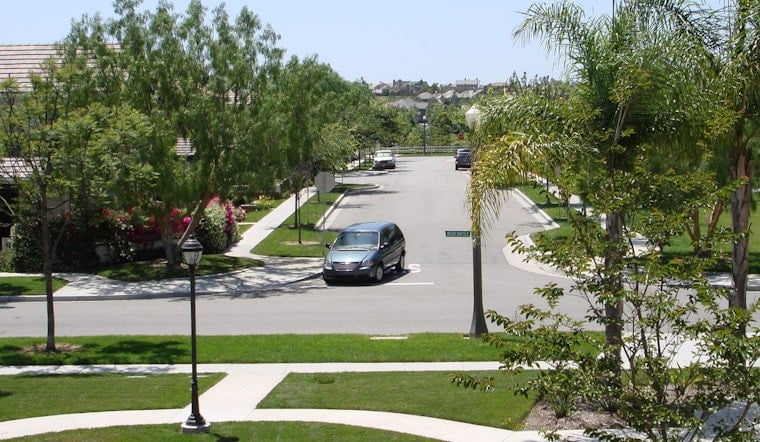
In the planned community of Ladera Ranch, parents say at least six children have been diagnosed with Ewing sarcoma, a rare bone and soft tissue cancer, and anxiety is running high. One of those children, 17-year-old Brody Matteson, died after a hard fight with the disease, his mother, Megan says. Neighbors say other local kids have since received the same diagnosis, and families are now gearing up to press their homeowners association and Orange County health officials for answers.
Families Demand Answers at HOA Meeting
Residents say they plan to turn out by the dozens at an upcoming meeting, demanding that the Ladera Ranch homeowners association rethink its landscaping and pesticide practices, according to NBC Los Angeles. Parents want a full accounting of what chemicals are sprayed on local parks and fields, and in what amounts, and organizers say they will push for lower risk alternatives. NBC Los Angeles reported that it contacted the general manager of the Ladera Ranch HOA for comment but had not received a response by the time its story was published.
County Review Under Way
Orange County health officials told NBC Los Angeles that their initial look at available cancer data did not reveal a clear pattern, although they plan to take another pass at the numbers in the coming weeks. “We cannot say that this is what’s causing it,” attorney Jackie French said, urging people not to rush to conclusions while also arguing that the apparent cluster deserves closer scrutiny. Families say the absence of definitive answers has only increased pressure on public agencies to dig deeper.
How Rare Is Ewing Sarcoma?
Ewing sarcoma is extremely uncommon. According to the American Cancer Society, only about 200 children and teens in the United States are diagnosed each year. That low baseline is one reason residents say seeing multiple cases in a single town, a community of roughly 20,000 to 30,000 people, feels so alarming. Public health experts caution that apparent clusters can sometimes be explained by chance, reporting differences or a mix of factors rather than one obvious environmental trigger.
What The Science Says
Scientific research suggests environmental exposures are worth investigating, although clear-cut answers are rare. A recent case control analysis in Environmental Health found a suggestive link between living near abandoned oil and gas wells and Ewing sarcoma risk for some groups, while other studies have repeatedly flagged pesticides and air pollution as exposures of interest. Researchers note that these population level studies can highlight patterns that warrant concern, but they cannot by themselves prove that a specific chemical or practice in one neighborhood caused any individual case.
Community Pushes For Policy Change
In Ladera Ranch, frustration is already turning into activism. Residents have launched petitions and neighborhood online threads calling for bans on certain pesticides and more transparency about landscaping chemicals. One petition on Change.org says state registries have been notified and urges an immediate stop to some sprays. Parents and advocates argue that the HOA should publish detailed treatment logs and adopt integrated pest management practices on parks and sports fields. Organizers say they intend to press those demands at the community meeting while also keeping up pressure on county health officials.
How Cluster Investigations Usually Work
Cancer cluster investigations typically follow a stepwise public health process. Officials first confirm reported cases, then compare them to what would normally be expected, evaluate whether a deeper investigation is feasible, and only then consider more intensive etiologic studies, according to CDC guidance. The CDC and state health agencies point out that most of these reviews do not end with a single environmental smoking gun, and many suspected clusters are not confirmed after detailed analysis. For now, Ladera Ranch residents say they at least want quicker and clearer disclosure about the chemicals used where their children play while public health officials complete their review.





