

























































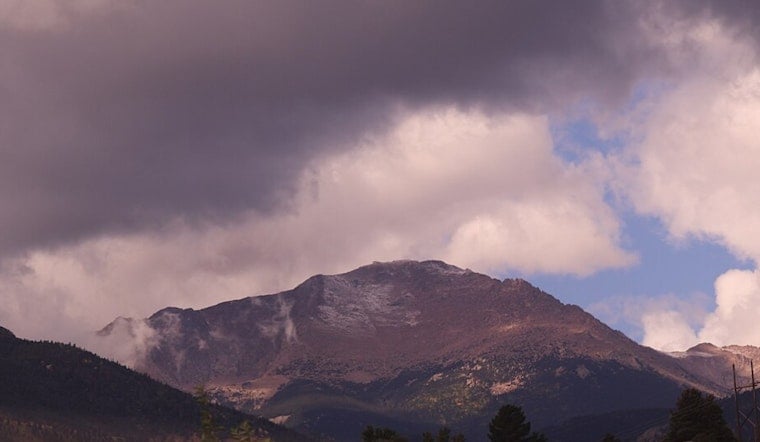
Hand crews and volunteers are spending the summer hauling rock, timber, and tools up Pikes Peak to carve a new, sustainably designed reroute of the Devils Playground Trail toward the summit. The project, which kicked off in 2019, has already moved into the alpine and is reworking eroded approaches that had turned into both safety and erosion headaches. At the same time, the Colorado Fourteeners Initiative is in its final field season on Mount Shavano, part of a broader push this year to stabilize and restore well-worn fourteeners across the state.
New Alignment Near Treeline
Carl Woody, who oversees the Pikes Peak effort, told the Denver Gazette that crews began hauling equipment up the backside in June and that an unusually dry winter left the high-elevation water source “completely dry,” forcing teams to camp lower and hike roughly 2.5 miles to the work site each day, as reported by the Denver Gazette. According to the Gazette, about 4 miles of new trail have been blueprinted, and roughly 3 miles have been completed so far, with timber steps and rock retaining walls already in place and plans to add about a half-mile this summer toward an optimistic 2028 finish. The alignment is being built entirely by hand, with rock work in talus above treeline that crews describe as intensely technical.
Volunteer Days And High-Altitude Logistics
Rocky Mountain Field Institute lays out the day-to-day reality: volunteers can expect a strenuous 2.5-mile one-way hike to work sites near 12,000 feet, manual tread construction, and serious rock work. Organizers ask volunteers to carry at least two liters of water because “there are no seasonal water sources available for filtering” this season, according to Rocky Mountain Field Institute. RMFI recommends that volunteers be at least 16 for these stewardship days and asks participants to register in advance, with additional community workdays posted on its volunteer calendar through the summer.
Shavano's Final Push
The Colorado Fourteeners Initiative says its Mount Shavano project, which required buying private parcels in 2016 to secure legal access, began trail construction in 2022 and includes roughly 3 miles of new bypass and significant reconstruction elsewhere on the route, according to the Colorado Fourteeners Initiative. Lower bypasses opened in 2023 and 2024, and crews this summer are focused on alpine rockwork and stabilizing routes near 14,000 feet. CFI reports that strong progress in prior seasons makes 2026 likely to be the project's final field season on Shavano.
Why The Summer Push Matters
Durable trail construction reduces long-term erosion, protects fragile alpine vegetation, and improves hiker safety, but it depends on reliable seasonal water and workable crew logistics, both strained this year by a lean snowpack, experts note in reporting by Rocky Mountain PBS. The work also ties into recent land-access moves: The Conservation Fund's 2023 purchase of nearly 300 acres on Mount Democrat reopened parts of the Decalibron loop and has allowed managers to plan longer-term fixes, according to The Conservation Fund.
Trail crews will be active across the high peaks for weeks to come, so hikers and local outfitters should expect to see crews on popular approaches and plan around occasional working zones. Volunteers and those who want to follow progress can sign up or check schedules at Rocky Mountain Field Institute's event pages and calendar and at the Colorado Fourteeners Initiative's project pages, according to the Colorado Fourteeners Initiative. The slow, hand-built work aims to keep these classic climbs open and safer for years to come.





.jpg)