

























































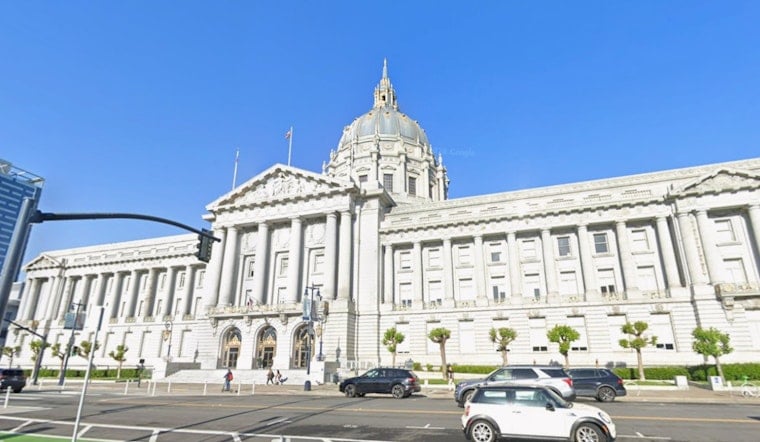
Tensions from Pride weekend landed squarely at San Francisco City Hall yesterday, as organizers of the city’s Trans March told Mayor Daniel Lurie that San Francisco police officers failed to protect marchers and used excessive force during arrests. While organizers met with the mayor’s office inside, about 100 supporters rallied outside, turning a routine post-event check-in into a very public dispute over how the city polices events in the Transgender District.
What happened at the march
The confrontation stemmed from events on June 26 near Turk and Taylor, toward the end of the Trans March. Police say officers moved in after reports that people were spray-painting buildings and vehicles. Authorities reported that five people were arrested and two officers were treated for non-life-threatening injuries, according to NBC Bay Area.
Video of the clash quickly spread online and fueled questions about whether the response matched the situation on the ground. Organizers say the moment echoed a long history of fraught encounters between law enforcement and LGBTQ communities, with what they describe as a familiar pattern of escalation rather than protection.
Organizers' account
Organizers told KTVU that officers did not protect participants from aggressive vehicles along the route and that some marchers were thrown to the ground and pepper-sprayed during the arrests. They argue their own civilian safety team, not uniformed officers, was better positioned to de-escalate tense encounters and safeguard vulnerable marchers.
According to march leaders, they arrived at City Hall with more than complaints. They handed the mayor a letter outlining specific demands for changes to future security plans, including a reshaped role for police and a stronger reliance on community-based safety monitors.
Meeting with the mayor
During Monday’s meeting with Mayor Lurie and other city officials, organizers pressed for commitments on their key requests, including reducing or even removing the San Francisco Police Department’s presence at the march and expanding civilian-led safety teams. They left without firm promises, as reported by the San Francisco Chronicle.
The mayor’s office said it was the one that called organizers in, and clarified that Lurie cannot directly drop criminal charges. He can, however, publicly urge District Attorney Brooke Jenkins to reconsider them. Organizers say the conversation is far from over and that they plan to keep pushing for concrete changes and public accountability.
Police response and oversight
At a packed Police Commission meeting earlier this month, San Francisco Police Chief Derrick Lew defended his officers’ actions, saying the arrests focused on a small group suspected of vandalism. He also acknowledged that multiple uses of force occurred and pledged a departmental review, according to KQED.
The Department of Police Accountability has opened inquiries into the department’s surveillance and crowd-management tactics that night. Officials say the SFPD’s formal response to a supervisor’s letter is due July 16. Advocates argue that timeline is too slow for an incident that unfolded in minutes and say only an independent, transparent review will satisfy community concerns.
Supervisor inquiry and political fallout
District 9 Supervisor Jackie Fielder has launched a formal inquiry seeking answers on who authorized the deployment at the Trans March, how many officers were assigned, and whether any genuine effort at de-escalation was made before force was used, as detailed by The San Francisco Standard.
Fielder has also asked the city controller for a detailed accounting of overtime tied to Pride weekend deployments. Her letter places the Trans March incidents in a broader pattern, raising alarms about what she describes as heavy-handed policing during major city celebrations.
Legal implications
City and law-enforcement records show that several people now face charges, including vandalism and resisting arrest, and, in at least one case, allegations connected to a hate-crime enhancement. Organizers have urged Mayor Lurie to press District Attorney Brooke Jenkins to drop the cases, per KQED. So far, the DA’s office has not announced any changes to the charges.
Legal advocates say what happens next will likely depend on the outcome of internal SFPD reviews and whether prosecutors decide to move forward as charged, reduce counts, or walk away from some cases altogether.
What’s next
Organizers say they plan to keep meeting with city leaders while pushing for independent oversight, expanded civilian safety teams at future marches, and clear public commitments from the mayor’s office. City officials have promised follow-up responses and floated the possibility of public forums.
For now, a weekend meant to celebrate trans visibility has become a high-profile test of how San Francisco balances community-led safety with traditional policing, and who gets to decide what safety at Pride looks like in the first place.





