

























































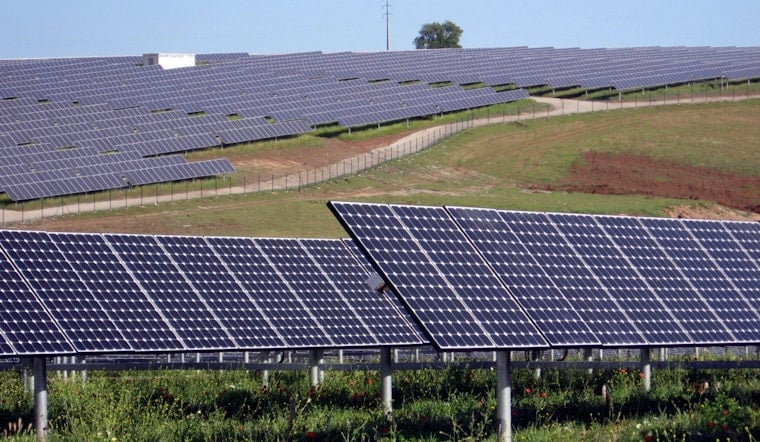
Federal agriculture and environmental officials are turning up the heat on Governor Kathy Hochul after the Trump administration questioned how New York signs off on big solar projects built on land federal leaders say qualifies as USDA "prime" farmland. In a joint letter, the agencies gave the state 30 days to explain projects the administration argues were fast tracked under state siting rules. The move is the latest sign that Washington is sharpening its focus on utility scale renewables in the name of protecting agricultural land.
What The Federal Letter Wants From Albany
The June 28 letter, signed by Agriculture Secretary Brooke Rollins, EPA Administrator Lee Zeldin and John Rich, the administration’s special envoy for landowners, asks New York to turn over information on every solar project approved through the state’s permitting process. The letter questions whether New York is following USDA standards for identifying and protecting prime farmland and sets a 30-day response deadline, according to reporting from the New York Public News Network. WXXI also highlighted Secretary Rollins’ social media post that "prime farmland should grow food - not disappear."
How The State’s Solar Siting Office Got Pulled In
Most of the large projects at issue run through New York’s Office of Renewable Energy Siting, or ORES, which serves as the state’s one-stop siting office for major renewable facilities. ORES oversees permitting for projects that exceed the statutory threshold and sets project conditions. Those conditions can include agricultural co-utilization plans that developers are required to follow, according to the New York State Department of Public Service’s overview of the office. ORES now finds itself squarely in the middle of the clash between New York’s clean energy buildout goals and federal concerns about losing productive farmland.
Why Washington Is Hovering Over New York’s Fields
Industry coverage describes the letter as part of a wider Trump administration effort to slow or reshape approvals for renewable projects by layering on new reviews and paperwork. Recharge reported that the New York move fits a broader pattern of actions that tighten rules around wind and solar development. Those steps are unfolding alongside major federal rollbacks, including EPA’s high-profile rescission of the 2009 greenhouse-gas endangerment finding earlier this year, a change the agency has described as part of a package of deregulatory actions. EPA
How Much Farmland Solar Is Really Taking Up
Exactly how big a bite solar is taking out of New York’s best farmland is a point of fierce argument. An industry analysis cited in local coverage says utility scale solar projects currently occupy only a tiny fraction of USDA-designated prime farmland in the state, about 0.13% of the total, according to reporting that drew on the Solar Energy Industries Association’s analysis. Democrat & Chronicle/AOL reported the SEIA figure while noting just how politically charged siting decisions have become in farm country. The governor’s office has pushed back on the federal criticism, telling reporters that New York has preserved thousands of acres of prime farmland and that energy development is occurring only on land voluntarily leased by owners, as the state’s communications team told local outlets. WXXI
What The Letter Could Set In Motion
For now, the federal letter stops at demanding documentation and explanations rather than announcing any enforcement action. Even so, it puts a formal spotlight on ORES permits and New York’s siting standards while the 30-day clock ticks. If agencies later decide the state is out of compliance or open additional administrative reviews, the clash could spill into the kind of legal battles that have followed other Trump administration rollbacks and permitting decisions, a trend tracked by litigation monitors covering recent federal actions. Just Security
Why Upstate Towns Are Glued To This Fight
Upstate communities and local officials have already spent years fighting with ORES over fast-track approvals and home-rule powers, with lawsuits and intense opposition to particular projects. That history means the federal letter is dropping into an already charged landscape. Times Union coverage of earlier legal challenges shows how sharply divided some counties remain over industrial solar siting, and why the state’s response to Washington’s 30-day demand will be watched closely by developers, farmers and environmental groups alike.





