

























































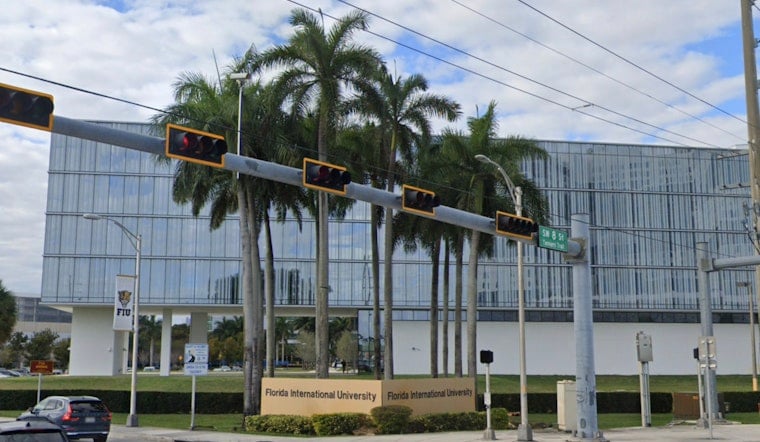
Florida International University has picked Daniel Z. Epstein, a lawyer closely linked to former President Donald Trump, to serve as interim dean of its College of Law starting Aug. 1, 2026. The move is already stirring anxiety among faculty members and legal observers, who are zeroed in on Epstein's recent role in a federal case that drew judicial sanctions. The decision, and how it came about, has kicked up fresh arguments over politics, academic standards, and who should be steering Miami's public law school.
In a message to faculty, Provost Elizabeth Béjar said Epstein will step in for outgoing dean Michelle D. Mason and is expected to meet with campus stakeholders before his official start date. Epstein previously worked in the Trump White House as Senior Associate Counsel and Special Assistant to the President during Trump's first term, and he has been active with conservative legal organizations and public-interest groups while teaching in Florida. University records also show that he has served on the Palm Beach State College board. According to the Miami Herald, Epstein emerged from a search process that categorized him in a lower tier and did not place him among the top 20 candidates. Provost Béjar ultimately labeled that search a failure, after which President Jeannette Nunez selected Epstein.
Judge's ruling shadows the hire
Epstein's appointment landed just as a separate legal episode raised uncomfortable questions about his recent work. In mid-July, U.S. District Judge Kathleen Williams concluded that a lawsuit the Trump team filed against the IRS was "brought for an improper purpose" and tossed key portions of a proposed settlement. The same order referred one of the lawyers involved to the Florida Bar and directed that Epstein be denied pro hac vice admission in the Southern District of Florida for one year, according to Bloomberg Law.
FIU Law's profile
FIU's College of Law brands itself as Miami's public law school and has been touting rising national visibility along with strong rankings for its part-time program as proof that it is on the upswing. The school emphasizes clinics and practice-focused offerings that administrators say plug students directly into the region's legal market. More detail is available on the FIU College of Law website at FIU College of Law.
Faculty and community reaction
Not everyone is impressed with how this came together. "It looks like politics has superseded merit," attorney and longtime FIU figure H. T. Smith told the Miami Herald, adding that "having a poster boy for ethical corruption as dean would undermine FIU's values." His blunt assessment reflects a broader unease among some faculty and local lawyers who question whether recent leadership picks say more about political loyalty than institutional priorities.
What the court order means
Legal analysts note that the sanctions in Judge Williams's order do not automatically bar Epstein from serving as a law school dean. They do, however, raise awkward reputational and practical issues for someone expected to be the public face of a legal institution. The order instructs the clerk to send copies of the decision to state bar authorities and restricts Epstein's ability to seek pro hac vice admission in the Southern District of Florida for one year, as reported by Bloomberg Law.
What's next for FIU Law
With Epstein slated to take over on Aug. 1, 2026, FIU Law now heads into a closely watched transition period. Campus stakeholders will be looking to see how university leaders juggle donor expectations, accreditation pressures, and faculty morale while any potential professional discipline plays out within the Florida Bar system. Trustees, faculty leaders, and students are likely to push for a clearer picture of Epstein's agenda as interim dean. The hire throws a spotlight on the tightrope Florida's public universities are walking as they navigate leadership choices that come with conspicuous political connections.





