

























































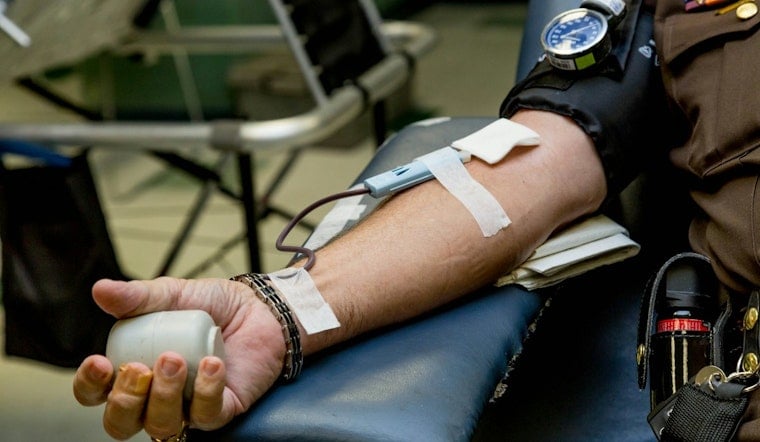
Chicago’s blood supply has taken a steep dip this summer, and the most flexible units on the shelf are the ones running out the fastest. Type O blood, the go-to in emergencies when no one has time to check a patient’s blood type, is now in especially short supply. Local donors and transfusion patients are sounding the alarm that a few more appointments on the calendar can be the difference between routine care and delayed surgeries or trauma treatment. Hospitals and blood centers say this crunch is fixable, but only if Chicagoans step up to donate right away.
As reported by FOX 32 Chicago, teen patient Nadia Ramirez, who needed a blood transfusion, joined Good Day Chicago on July 6 to talk about how donated blood saved her life and why she wants the community to respond. The segment featured a call for help from local blood centers along with a short video of Ramirez sharing her story. Seeing that clip puts a face to the numbers and underscores that city donors can have a direct and very fast impact.
Vitalant, a nonprofit blood services provider, says its Type O inventory has fallen to a level not seen in roughly two years and is urging Chicagoans to grab appointments as soon as they can. In a press release, Vitalant described the shortage as "critical" and noted that hospitals lean heavily on Type O units for trauma cases and urgent surgeries. Local centers are adding blood drives and shuffling schedules where possible, but organizers stress that a steady stream of community donors is the only long term fix.
Why Type O Matters
Type O blood, especially O negative, can be used for patients of any blood type, which is why it is pulled off the shelf first when seconds count and the lab has not yet matched a patient. The American Red Cross reports that national blood inventories have sagged this summer and that Type O distributions are now below the levels that keep hospitals comfortable. The Red Cross also notes that platelets come with a very short shelf life of about five days, so they have to be replenished frequently to keep up with demand.
Where To Give In Chicago
Vitalant and other community blood centers operate donation sites throughout Chicago and list openings on their online scheduling tools. Check Vitalant for nearby centers and available appointment times, or use its donor app to track mobile drives around the city. Hospitals and community partners are hosting drives this week as well, and giving at an approved site helps make sure those units can reach local patients as quickly as possible.
Quick Tips For Donors
Prospective donors are asked to bring a photo ID, have a salty snack, and drink plenty of water beforehand so the process goes smoothly and every unit counts. The Red Cross recommends using its RapidPass feature and donor app to knock out pre donation forms in advance and lays out basic eligibility guidelines and recovery advice in its Red Cross FAQ. For those who qualify, platelet donations and Power Red donations, which collect a double red cell unit, can stretch the supply more than a single whole blood donation.
Hospitals Are Shifting How They Use O Blood
On the hospital side, clinicians are adjusting transfusion practices to preserve O negative units for patients who truly have no alternative. The American Society of Anesthesiologists has urged facilities to begin some transfusions with O positive or type specific blood when appropriate and to switch quickly once a patient’s type is identified, according to an ASA notice. The ASA says steps such as faster blood typing and surgical strategies that limit blood loss can help safeguard the most fragile parts of the supply, but hospitals emphasize that these changes only go so far without fresh donations coming in.
If You Can't Donate
For Chicagoans who are not eligible to give blood, there are still ways to pitch in. You can recruit friends and family to donate, help organize a workplace or neighborhood drive, or volunteer with blood center partners to keep events running smoothly. Sharing donor apps and scheduling links within your circles is another low effort way to boost turnout. Every extra slot filled in the next few days can help keep a Chicago operating room or trauma bay ready when someone like Nadia Ramirez needs blood most.





