

























































For uptown cyclists, an 80-foot gap might as well be a canyon.
The Fort Washington Park Bridge, a short pedestrian and bike span over the Amtrak tracks near West 180th Street, is entering its 17th year of stalled repairs with no construction schedule in sight. Regular riders say years of quick, temporary fixes have left the connector feeling shaky during the busiest biking months, and while city agencies agree the bridge needs a full overhaul, no one has posted a firm timeline for when that will actually happen.
As reported by Streetsblog New York City, the city first launched the project in 2009, yet the Parks Department’s public project tracker still lists the Fort Washington Park Greenway reconstruction at 0 percent complete. The Department of Transportation took over the capital project from Parks in 2020 and was supposed to start construction in 2023, but that deadline came and went. The span is a crucial uptown link on the Hudson River Greenway - one of the country’s busiest bikeways - and it has already been shut down in the past when its timber decking decayed.
Mayor’s Budget Buys Greenway Cash, Not Speed
The city’s FY 2027 executive capital plan includes a line called “Bike Network Development 2030” that adds roughly $95.9 million for greenway construction over five years, according to budget documents from the NYC Office of Management and Budget. Those funds are intended for hardened capital work, not quick paint-and-bollard fixes. Advocates say the money is welcome, but warn it will not magically speed up projects that are already bogged down by design delays, procurement snags and interagency turf battles.
Audit Flags Gaps, Missed Inspections
A June 2024 audit from the New York City Comptroller found that Parks and DOT struggle with inventory management, missed inspections and slow repairs. The audit documented inconsistent collaboration between the agencies, incomplete bridge inventories and dozens of structures that are not ADA compliant, all of which make it harder to move a project from design into actual construction. Taken together, those systemic problems help explain how a seemingly straightforward replacement of an 80-foot span can drag on for more than a decade.
Where Things Stand And How Locals Feel
Parks told Streetsblog New York City that design work for a full replacement is “underway” and that crews will make “immediate” repairs to the decking. Officials, however, declined to share any construction timeline. Advocates have taken to calling the uptown greenway “the neglected little brother” to the smoother, better maintained path in lower Manhattan, and Inwood resident Allegra LeGrande told Streetsblog the bridge fix was promised so long ago that “that was supposed to be fixed before my daughter was born.”
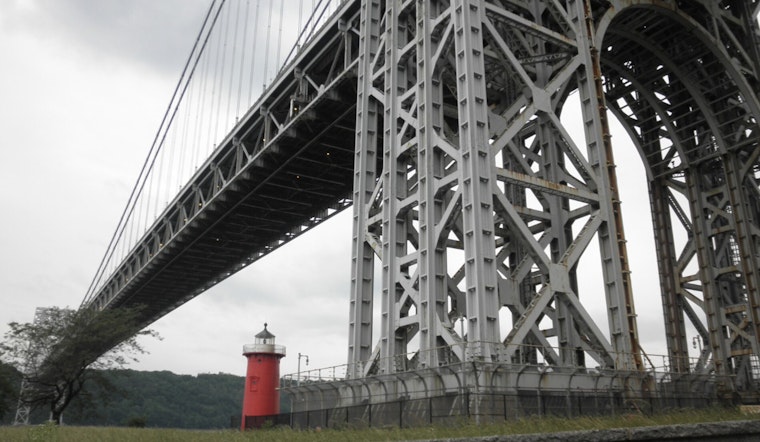
Transportation Alternatives is planning a Fort Washington Greenway campaign event at the Little Red Lighthouse on July 10 to push the city for specific timetables and safer detour plans while the bridge is under construction, whenever that finally begins.
What Comes Next
For riders who depend on the Hudson River Greenway, the Fort Washington connector is a small bridge with big consequences. When it is closed or heavily patched, cyclists are pushed onto narrow uptown streets that feel a lot less forgiving than the riverfront path. Advocates are calling for a clear, public schedule from the agencies, protected detours while work is underway and a commitment to use the new bike network funds to accelerate projects that are already in the pipeline.
Without those steps, uptown riders are bracing for the same short-term patches and long waits that have already stretched toward two full decades.


