

























































Phoenix-area cities are cranking up the pressure on the Arizona Water Banking Authority, demanding clear answers about a pool of Colorado River water that has been stored underground as an emergency reserve. Municipal leaders say the bank still has not spelled out how much of those stored credits their communities can expect to recover once federal post-2026 rules kick in, a big question mark as potential supply cuts loom. The AWBA has scheduled a special public meeting for Tuesday morning, July 7, to address the growing frustration.
Cities say the water bank is keeping them in the dark
According to KJZZ, Phoenix-area officials say the Water Bank, which was created in 1996 to store unused Colorado River supplies underground, has been reluctant to explain how those long-term storage credits will be allocated. That uncertainty, they warn, makes it harder for water departments to build contingency plans ahead of a period when federal and interstate rules governing the river are likely to change.
Warren Tenney, executive director of the Arizona Municipal Water Users Association and representative for ten Valley cities, has urged the AWBA to commit in writing to distributing credits to municipal users in the event of cutbacks. In a July 6 blog post, Tenney argued that residents paid to store that water and deserve legal certainty on how those credits will be used, framing the demand around the state statute that guides the bank's operations, according to AMWUA.
How the bank and CAP fit together
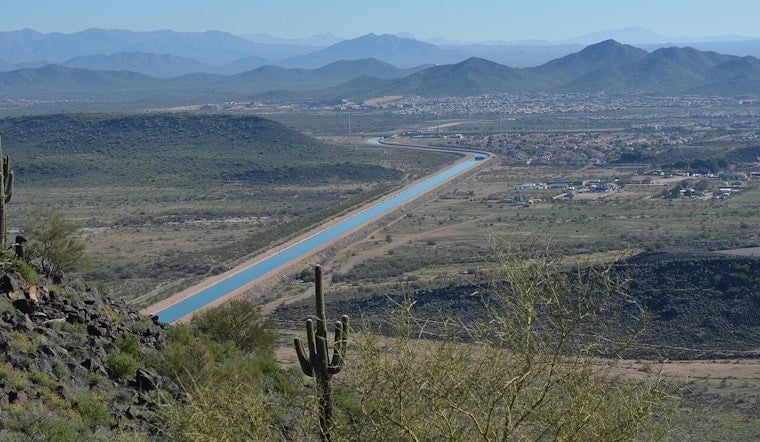
Arizona’s water bank has worked with the Central Arizona Project to recharge aquifers and build up long-term storage credits that are meant to be recoverable in dry years. The Central Arizona Project reports that the partnership has produced millions of acre-feet of stored water since the program began, a reserve that municipal leaders say was paid for by local ratepayers and intended to firm up supplies during shortages.
Federal backdrop: the Post-2026 draft
The Department of the Interior and the Bureau of Reclamation have released a Post-2026 Draft Environmental Impact Statement that outlines alternatives for operating Lake Powell and Lake Mead after the current interim rules expire. Some of the modeled approaches would mean steep reductions in lower-basin deliveries. States and other stakeholders are weighing voluntary plans, litigation risks and federal options as Reclamation moves toward a final decision this summer, according to the Bureau of Reclamation.
Cities press the bank, and former staffers warn
Local officials say they have been asking for clarity for years, and that the timing of the uncertainty could not be worse. “There should be no question about this,” Tenney said. Former Phoenix water resources advisor Cynthia Campbell told KJZZ that cities began pushing the AWBA for details as far back as 2017 and 2018.
Legal and statutory stakes
State law and AWBA planning materials are at the heart of the debate. The statute that authorizes the bank, along with the agency’s own operation plans, anticipates using long-term storage credits to meet municipal and industrial needs when Central Arizona Project diversions are disrupted. The AWBA’s recent plan documents and the commission’s public agenda spell out those duties and recovery challenges, and both are posted on the AWBA site for public review.
What comes next
Municipal leaders say they plan to use Tuesday’s public session to press the commission for a written recovery and distribution policy, along with a timeline that cities can rely on. If that clarity does not materialize, lawmakers and water agencies may look to legislative fixes or formal agreements to protect municipal access to the stored supply. Local water providers and AMWUA are expected to follow up closely as Post-2026 negotiations continue and any federal decisions move forward.





