

























































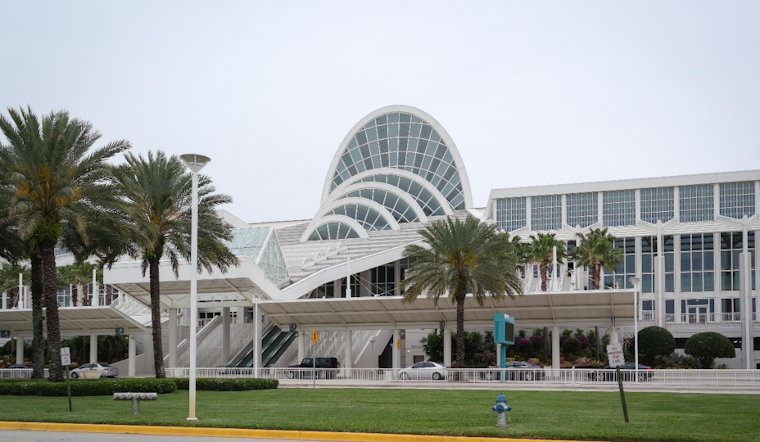
The homebuilding industry’s biggest annual gathering is breaking up with Orlando and settling down in Las Vegas, long term. The National Association of Home Builders is shifting its International Builders' Show out of the Orange County Convention Center after the 2026 event and will stage Design & Construction Week in Las Vegas starting in 2027, under a deal that keeps the show there through at least 2039. For Orlando's hotels, restaurants and the army of small vendors that live on convention traffic, that is one very large, very reliable anchor suddenly gone from the calendar.
Local station FOX 35 Orlando first reported the move on July 1 and noted that the new contract runs through at least 2039, describing it as a 13-year commitment. The station cast the shift as a major blow to Orlando’s convention lineup, which leans heavily on repeat mega-events to keep rooms and restaurants full.
NAHB’s own recap of this winter’s show underscores what is walking out the door. The 2026 International Builders' Show drew nearly 75,000 registrants to the OCCC, while the combined Design & Construction Week approached 117,000 attendees, according to NAHB. The group also confirmed that the event will return to Las Vegas from February 2 to 4, 2027, as part of the permanent shift. Those attendance and exhibit-floor numbers hint at just how much national buying power and industry buzz the show commands.
The long-term Las Vegas commitment itself is not new. It was originally announced in 2019, when NAHB and the Las Vegas Convention and Visitors Authority cut a deal to anchor IBS at the expanded Las Vegas Convention Center from 2027 through 2039, as reported by Trade Show Executive. At the time, the LVCVA estimated that 13-show run would pump roughly 1.26 billion dollars in economic activity into Southern Nevada.
What Orlando Stands To Lose
Orlando’s convention machine is not some side hustle; it is a core economic engine. An industry analysis cited by TSNN pegged the Orange County Convention Center’s annual economic impact at about 3.9 billion dollars, supporting roughly 28,000 jobs. TSNN notes that the OCCC helps keep the region’s hotels humming and sustains thousands of small businesses that count on a steady rotation of big trade shows.
Replacing a recurring, high-draw event like IBS is not as simple as sliding in another conference. The show delivers a concentrated hit of hotel room nights, freight and production work, and national buyer traffic that smaller or more regional events typically cannot match. Local vendors that have long provided labor, catering, display services and transportation for IBS exhibitors now lose a dependable annual client and the kind of national-level exposure that is hard to buy.
Why Las Vegas Was Ready
Las Vegas did not just get lucky here. The city spent years building itself into one of the few U.S. markets that can comfortably host a long string of mega-events. When the 2019 deal was unveiled, industry coverage highlighted the expanded Las Vegas Convention Center and the city’s ability to swallow massive exhibit footprints while offering baked-in logistics for big booths, according to Trade Show Executive.
Organizers and exhibitors frequently point to the operational advantages of the Las Vegas setup: large, contiguous exhibit halls; nearby warehouse and drayage capacity; and a deep pool of show-season hotel rooms that can simplify move-in and move-out and, in some cases, trim overall costs for national exhibitors. The official show site for IBS lays out the planned 2027 footprint in detail, including expected exhibitor counts and attendance as the relocation fully takes hold.
What Comes Next
IBS 2027 is set for February 2 to 4 in Las Vegas, with NAHB already promoting informational and exhibitor pages for the next edition through IBS. In Orlando, the immediate job will be filling the hole in the OCCC schedule and chasing new business to backfill the lost dates. Even with an estimated convention-driven impact approaching 4 billion dollars a year, the region’s hospitality and service sectors will have to adjust to life without one of their most prominent and predictable annual showcases.



