

























































A dead crow picked up just outside the city of Napa has tested positive for West Nile virus, prompting county health officials to sound the alarm and remind residents that mosquito season is in full swing.
Officials said yesterday that the test result does not mean people are infected, and there are still no human West Nile virus cases reported in Napa County this year. Instead, the bird is being treated as an early warning sign. Local vector-control crews are boosting surveillance as summer mosquito activity climbs.
In a post on its official X account, the County of Napa reported that the crow was collected outside the city, confirmed positive in state laboratory testing and triggered targeted mosquito trapping and bird collection in the surrounding area. The county alert urges residents to fix or replace torn window and door screens, drain standing water at least once a week and take other routine mosquito-proofing steps. Officials say this is the first West Nile-positive bird detected in Napa County this season and are asking residents to stick with basic precautions.
Health Alert ⚠️ West Nile virus has been detected in a deceased crow in #NapaCounty. Read more on the symptoms and how to stay safe: https://t.co/EMSlXicwon pic.twitter.com/QN6MU8XBag
— Napa County (@NapaCountyGov) July 22, 2026
Statewide surveillance shows West Nile virus activity across California this summer. The official reporting page lists 2 human cases, 670 positive mosquito samples and 205 West Nile-positive dead birds so far in 2026. It also notes that Napa and neighboring Solano counties are logging their first West Nile-positive dead birds this season. The state site at Westnile.ca.gov provides weekly tallies and maps for local agencies and the public.
Symptoms and who is most at risk
Most people bitten by an infected mosquito never feel a thing. About one in five infected people come down with a feverish, flu-like illness, and roughly 1 in 150 develop severe neuroinvasive disease that affects the brain or spinal cord. Symptoms typically show up within 2 to 14 days after a bite.
Among patients who develop neuroinvasive disease, the overall fatality rate is about 10 percent, which is why older adults and people with chronic health conditions are considered especially vulnerable, according to the Centers for Disease Control and Prevention. Health officials say to seek immediate medical care for high fever, stiff neck, confusion, weakness or sudden trouble speaking.
How to protect your family and pets
Public health guidance boils down to three steps: drain, dress and defend.
- Drain standing water where mosquitoes breed. Check yards weekly for problem spots such as old tires, plant-pot saucers, bird baths, pet bowls and uncovered rain barrels.
- Dress to reduce bites. Wear long sleeves and long pants, especially at dawn and dusk when mosquitoes are most active.
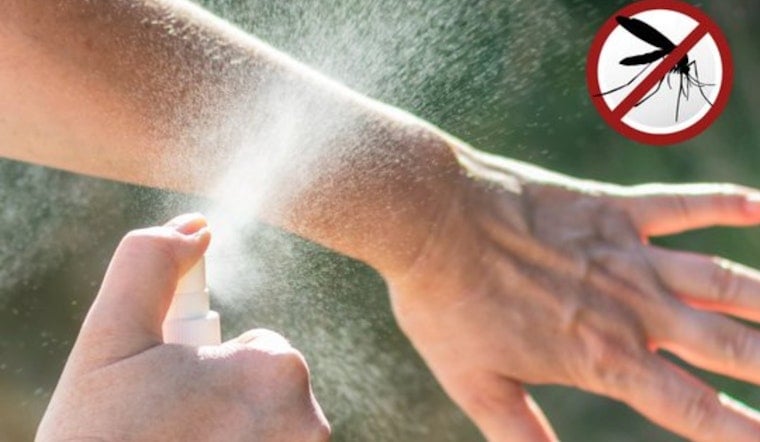
- Defend with an EPA-registered repellent. Officials recommend products containing DEET, picaridin, IR3535 or oil of lemon eucalyptus, used exactly as directed.
For help choosing and using repellents safely, the EPA offers step-by-step advice. Local mosquito-control recommendations and property-level tips are detailed in county alerts from the County of Napa.
What local agencies are doing
When a positive bird or mosquito pool turns up, the surrounding neighborhoods typically see extra attention from vector-control staff. That can include more trapping, checking standing-water sites and treating breeding spots, along with homeowner assistance where needed.
The Napa County Mosquito Abatement District runs ongoing trapping and larval control throughout the county and offers free property inspections and education. Residents dealing with standing-water issues can contact the district for service and advice.
Officials also want help from the public with tracking the virus. If you find a freshly dead crow or other dead bird, report it through the state system online or by calling 1-877-968-2473. Those reports help health agencies quickly spot local activity and decide where to focus fieldwork.




