

























































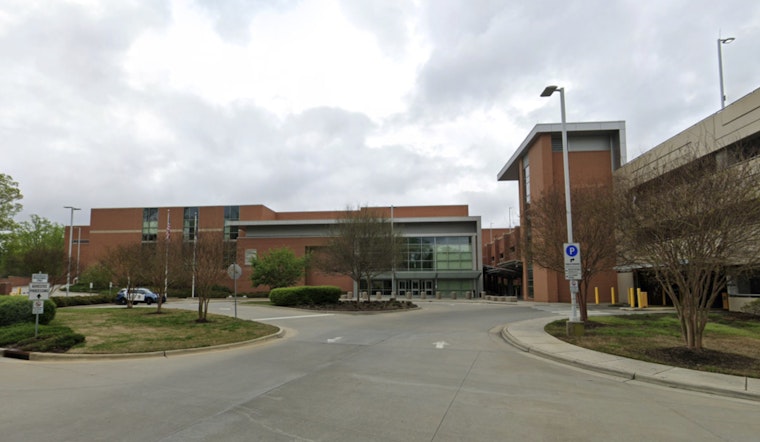
Wake County has quietly turned part of its detention center into a high-tech crime lab, opening a new DNA forensics unit that puts sample processing and profiling under local control. County officials say the lab is already in action, having taken in sexual-assault evidence and produced a DNA profile in one recent case.
The Wake County Bureau of Forensic Services will now handle DNA analysis in-house instead of relying only on the state crime lab, which covers 99 counties. Mecklenburg County is still the only other county in North Carolina with its own DNA laboratory. "We're able to control the workflow. We're able to prioritize cases and move them up or down depending on the need," Bureau Director Sam Pennica told reporters. County leaders say the shift to local testing should get victims answers faster and could shorten the time between arrest and prosecution, according to ABC11.
How the Lab Was Funded and Built
The facility comes after several years of planning and a patchwork of funding sources. Local court-ordered laboratory fees covered renovation costs, while federal community-project funds paid for the instruments, according to Wake County documents. Representative Deborah Ross's office says a $500,000 appropriation for DNA testing equipment was included in a 2022 funding package that backed the project. County planning materials outline a multi-stage schedule of construction, validation and accreditation work that led up to the lab's opening.
Why a Local Lab Matters
For years, investigators and victim-service groups have complained about long waits when evidence was shipped to the state lab. That statewide facility handles material from nearly every county, and local coverage has noted that some submissions can sit for weeks or months before results come back. Advocates say putting a DNA lab inside Wake County should cut those delays and help identify repeat offenders more quickly, as WRAL reported.
Sexual-Assault Evidence and DA Coordination
The bureau says sexual-assault kits will be first in line for testing, but there is a catch: they will only be accepted after investigators coordinate with the district attorney's office. That step is meant to protect prosecutorial options and preserve a clean chain of custody. Pennica said the requirement is designed to safeguard victims' cases and make sure evidence is handled correctly.
The lab opened last week and has already taken in its first three sexual-assault submissions. Analysts have obtained a DNA profile in one of those cases, according to ABC11.
Staffing, Accreditation and Limits
Getting the right people in the door was one of the toughest parts of the project. County records show the DNA unit launched with three experienced DNA analysts. The same materials say Wake County has pursued ISO 17025 accreditation and installed CODIS software, although federal uploads will not begin until the lab finishes its accreditation steps. Officials caution that the new unit does not yet match the state lab's full range of resources, and that capabilities will grow over time, per Wake County documents.
How Evidence Will Be Submitted and Tracked
The county's laboratory information management system now offers a dedicated DNA submission form and online portal for law-enforcement agencies, according to Wake County's LIMS portal. That electronic system is designed to let investigators submit and track samples locally and share results with prosecutors more quickly as the lab ramps up.
County leaders say they expect some growing pains while the unit scales up, but they are betting the tradeoff is worth it: fewer long waits for victims and less strain on the state lab's backlog. Local officials and reporting suggest the new in-county capability could speed arrests and case resolutions in the coming months, as WRAL noted.



