

























































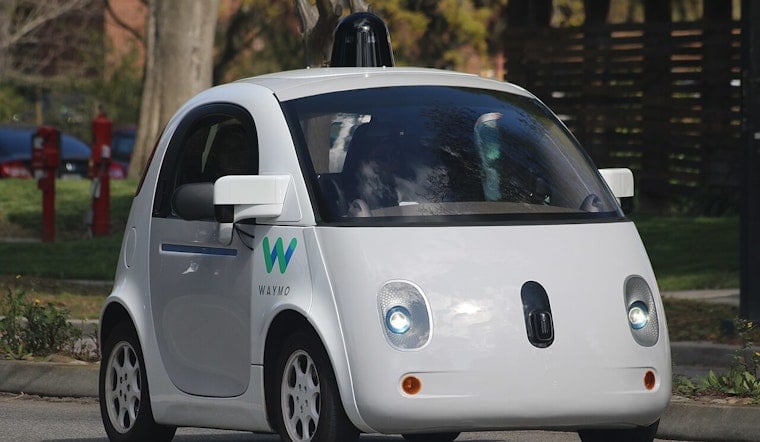
Waymo’s self-driving cars are now quietly rolling through Sacramento in autonomous mode, but for now there is still a human in the driver’s seat keeping watch.
The company confirmed Thursday that it has begun testing its robotaxis on city streets with an autonomous specialist behind the wheel. In an email to KCRA, Waymo said the cars are operating in autonomous mode locally while it ramps up testing ahead of any commercial launch. The company added that, eventually, riders would be able to hail the vehicles through an app much like Uber or Lyft, but it has not set a timeline for when paid rides will start in Sacramento.
How the testing fits into state rules
The California Department of Motor Vehicles lists Waymo among the manufacturers approved to test and deploy driverless vehicles in the Sacramento region, which allows the company to operate cars without a safety driver in specific authorized zones. As DMV records show, Waymo holds authorization for driverless testing, although it still needs a separate commercial permit from the California Public Utilities Commission before it can charge for rides, according to reporting by The Sacramento Bee.
City leaders and Waymo's local rollout plan
City officials have largely welcomed Waymo’s arrival as a potential boost for traffic safety and mobility, while acknowledging that the rollout is still in its early stages. Waymo began by manually driving its Jaguar I-PACE vehicles around Sacramento so human operators could map streets, catalog infrastructure and get a feel for local driving patterns.
In a February blog post announcing the Sacramento expansion, Waymo highlighted those mapping runs and quoted Mayor Kevin McCarty, who praised the company’s stated commitment to Vision Zero and safer streets as it lays the groundwork for eventually opening public rides.
Safety questions after recent incidents
The timing of Sacramento’s pilot comes as robotaxis face heightened scrutiny across California. Over the Fourth of July holiday in San Francisco, several Waymo vehicles became snarled in gridlock and stalled out in traffic, and one unoccupied car caught fire after driving over a firework. The San Francisco Chronicle detailed the incidents, which drew fresh attention to how autonomous vehicles handle unpredictable situations.
Waymo has also faced criticism over a 2023 incident in which one of its vehicles struck and killed a small dog, a case that added to public unease about self-driving tech and its limits, as reported by The Guardian.
What to expect next
Waymo says that when commercial service does arrive, the rider experience should feel familiar, with trips requested and managed through an app, but the company has reiterated that it has no firm launch date yet for paid rides in Sacramento, according to KCRA. The testing comes amid a broader expansion: Waymo has also started driverless rides in San Diego this week, underscoring its push to scale operations, KPBS reports.
In the meantime, Sacramento residents and visitors can expect to see more of the distinctive Waymo cars on major corridors and in neighborhoods as the company gathers local data and fine-tunes its software for the region’s streets. We will continue to follow developments and provide updates as Waymo, the CPUC or Sacramento officials announce new milestones toward commercial service or changes to testing rules.





