

























































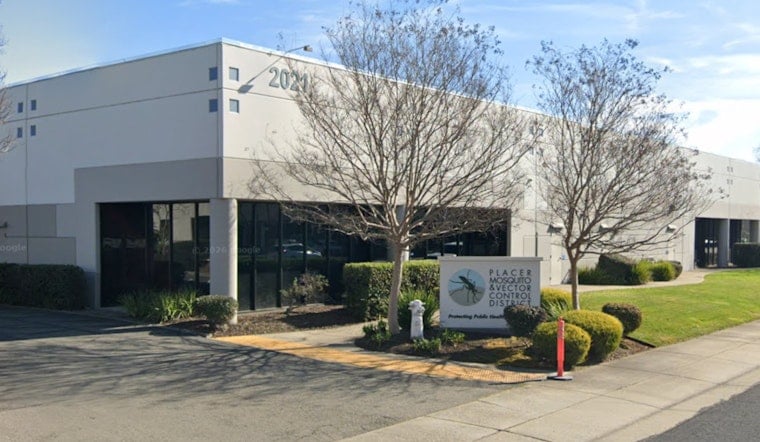
Mosquito season just got a lot more real in west Placer County. Officials confirmed Wednesday that routine trapping in the area found the season's first mosquitoes carrying West Nile virus, with one trap in an agricultural stretch near Sheridan, west of Lincoln, and another in a residential pocket near Morgan Creek. Those detections have the local mosquito district widening surveillance and rolling out targeted treatments as summer mosquito activity picks up.
In a news release, the Placer Mosquito and Vector Control District said the positive mosquito pools were flagged through its weekly testing program. According to Placer Mosquito & Vector Control District, General Manager Joel Buettner said, "As we've seen in past years, we predict more West Nile virus activity following this initial detection." The district is urging residents to use an EPA-registered repellent and to wear long sleeves and pants when outdoors.
Where the mosquitoes were collected and what followed
The two positive mosquito pools came from traps placed near Sheridan and in a residential area near Morgan Creek, the first mosquito detections in Placer this year, as reported by The Sacramento Bee. The district's announcement landed just after news of Sacramento County's first human West Nile infection earlier this week, a timing that highlights why local mosquito surveillance is taken so seriously.
State and national context
California's West Nile dashboard currently lists 261 positive mosquito samples statewide and shows Placer County with one positive mosquito sample as of July 7, according to the latest state update. The California Department of Public Health also reports 133 dead birds testing positive so far this season, a signal that the virus is circulating across multiple counties.
At the national level, Centers for Disease Control and Prevention surveillance for the week ending June 27 recorded at least 48 confirmed human West Nile cases across 23 states, with a high share classified as severe neuroinvasive infections. The CDC tables show early-season activity running well above typical year-to-date counts.
How to protect yourself
Public health agencies are rolling out the familiar West Nile playbook: drain standing water, avoid outdoor activities at dawn and dusk when Culex mosquitoes are most active, wear long sleeves and pants, and use an EPA-registered repellent such as DEET, Picaridin or oil of lemon eucalyptus. The Sacramento-Yolo Mosquito & Vector Control District packages these recommendations as the "seven Ds" of mosquito prevention, and its guidance stresses keeping window and door screens in good repair and reporting mosquito problems so inspectors can check for trouble spots. Sacramento-Yolo Mosquito & Vector Control District continues to emphasize those basic steps in its public messaging.
Placer's response
The Placer district says it already conducts weekly trapping across the county and will now ramp up surveillance, trapping and targeted treatments in the areas where infected mosquitoes have turned up. Residents are being asked to report mosquito problems so crews can zero in on breeding sources, and to request inspections or free larval control services through the district's online portal or by phone, according to the district's news release. Placer Mosquito & Vector Control District notes that timely reports help focus treatments and cut community risk.
The early detection is also a reminder of how West Nile typically behaves in people. Most infections cause no symptoms, about one in five infected people develop a febrile illness, and a small fraction progress to neuroinvasive disease. Among those severe cases, the overall case fatality rate is roughly 10%. If you find a dead bird, you are asked to call the state hotline at 1-877-WNV-BIRD (1-877-968-2473) or file an online report. Anyone who develops high fever, neck stiffness, confusion or sudden neurologic symptoms after mosquito exposure should seek medical care. Placer residents can report mosquito problems to the district at 916-380-5444 or via placermosquito.org and are urged to take standard precautions when spending time outdoors this summer.





