

























































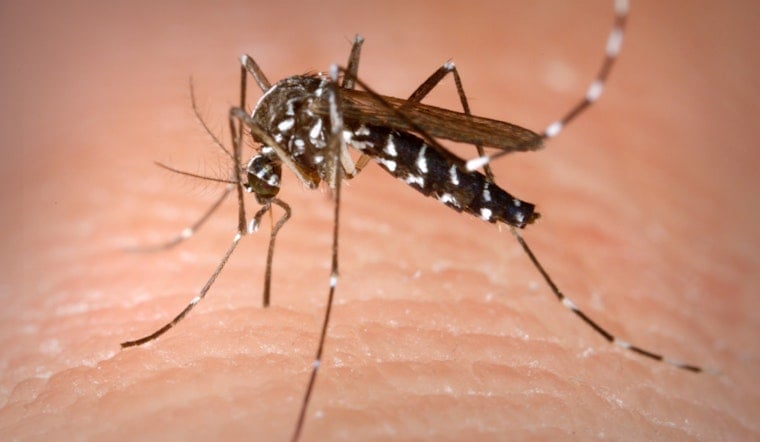
West Nile virus has turned up in mosquito samples in St. Louis County, and public-health officials are telling residents it is time to get serious about bite prevention as the temperatures rise. The early-season detection signals that mosquito surveillance is underway across the county and that people should be paying attention to how they mosquito-proof their yards and homes. Officials note that most infections stay mild, but some people face a higher risk of severe illness.
Where the positive samples were found
The St. Louis County Department of Public Health announced the finding Thursday and said the positive mosquito samples came from a monitoring site in Richmond Heights, according to First Alert 4. The outlet also reports that the county has recorded three human West Nile cases in 2024, a reminder that the virus circulates in the region in some years.
Symptoms and who’s most at risk
Most people who get infected with West Nile virus never feel sick at all. Of those who do, about one in five develops symptoms such as fever, headache, body aches, joint pain, rash or stomach issues. Roughly one in 150 infections progresses to serious neurologic disease that can be fatal, according to NCBI Bookshelf, which summarizes CDC guidance. Older adults and people with weakened immune systems or chronic medical conditions are at the greatest risk for the most severe complications.
How to protect yourself
Health officials are pushing the basics: wear long sleeves and pants at dawn and dusk when mosquitoes are most active, use an EPA-registered insect repellent that contains DEET, picaridin, oil of lemon eucalyptus or IR3535, fix any holes in window and door screens, and dump or refresh standing water in yards and outdoor features. City of St. Louis Vector Control guidance notes that keeping birdbaths clean, draining buckets and emptying kiddie pools at least once a week can sharply cut down on mosquito breeding close to home.
What officials are doing locally
St. Louis County’s vector-control program keeps tabs on mosquito traps, treats larval breeding sites and relies on an Integrated Pest Management strategy that targets treatments in areas where surveillance shows the most risk, as described by St. Louis Public Radio. At the state level, the Missouri Department of Health and Senior Services runs a West Nile surveillance system that pulls together mosquito and bird testing data to help local health departments decide where to focus their efforts, according to Missouri DHSS.
When to see a doctor
Health experts say you should seek immediate medical care if you develop a high fever, stiff neck, confusion, severe headache, new neurologic symptoms or any other signs of serious illness after mosquito exposure. In those situations, clinicians will consider West Nile as one possible cause, the NCBI guidance notes. If you are older, have a weakened immune system or live with chronic health problems and develop any concerning symptoms after mosquito bites, contact your healthcare provider promptly and let them know about your recent mosquito exposure.



