

























































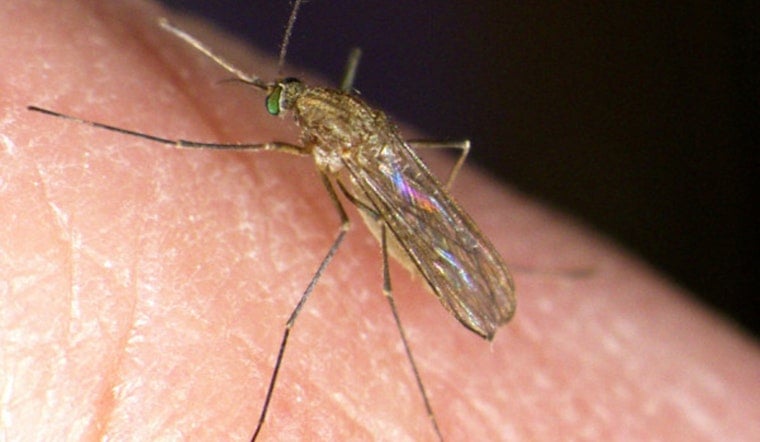
West Nile virus has officially landed in Yuba County, with two mosquito samples collected July 7 testing positive and setting off an early-season scramble by vector-control crews near Wheatland and just east of Marysville.
The positive mosquito pools were found near Wheatland and in the Hallwood area, east of Marysville, where officials say mosquito activity is already running hot. With California’s West Nile season getting an early jump this year, local authorities are telling residents it is time to get serious about mosquito-bite prevention.
According to the Sutter‑Yuba Mosquito and Vector Control District, both samples were collected on July 7 and tested positive for West Nile virus. Surveillance traps are showing high numbers of Culex mosquitoes, the primary vector for the disease. The district says its surveillance program is running at full speed and control operations are underway in areas where virus activity has been detected. Residents are also being asked to report neglected or green swimming pools and to file dead-bird reports to help map where the virus is circulating.
District manager Stephen Abshier summed up the risk as “not serious until it is serious,” urging people to use insect repellent, wear long sleeves and avoid being outside when mosquitoes are most active, as reported by The Sacramento Bee. The Bee also recounted the experience of Yuba City resident Michelle Reinhart, who said a 2015 West Nile infection left her essentially paralyzed for about two weeks and led to roughly a month in the hospital. Abshier emphasized that most infections are mild but a small share can become severe.
Nationally, federal health officials say this year’s West Nile season is off to an unusually early and active start. Data from the CDC show 2026 is seeing an earlier onset and a higher number of human cases at this point in the year compared with recent seasons.
Where Control Work Is Under Way
The district has scheduled aerial mosquito treatments and town fogging in both agricultural and residential areas, along with targeted larviciding where positive pools and heavy trap counts have turned up, according to a district spraying update. Planned aerial work covers orchard zones south of Linda and Olivehurst, east of Plumas Lake and south of Wheatland and Robbins. Neighbors near treatment areas are urged to watch for posted notices and follow any instructions from vector-control crews.
How To Protect Yourself
Health officials are pushing the familiar four “D’s”:
- Defend yourself with EPA-registered insect repellents.
- Dawn and dusk are peak biting times, so avoid outdoor activity then if possible.
- Doors and windows should have tight-fitting screens to keep mosquitoes out.
- Drain standing water where mosquitoes can breed.
For help picking a repellent and checking active ingredients such as DEET, picaridin, oil of lemon eucalyptus and IR3535, residents can use the EPA. The California Department of Public Health notes that dead birds are often an early sign of West Nile virus activity and asks residents to report them online or by calling 1‑877‑WNV‑BIRD (1‑877‑968‑2473).
The district typically begins mosquito testing in May and runs weekly tests across Sutter and Yuba counties. Officials estimate the area usually sees up to a dozen human West Nile cases in a season, according to The Sacramento Bee. Residents with questions can contact the Sutter‑Yuba Mosquito and Vector Control District at 530‑674‑5456 for local updates and assistance.





