

























































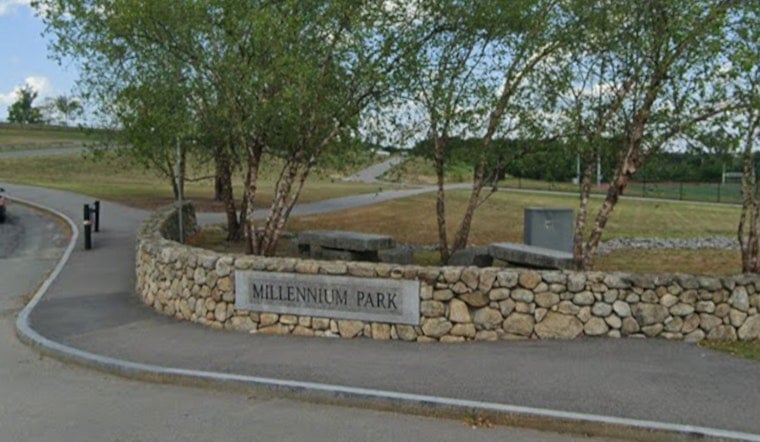
A routine walk at Millennium Park in West Roxbury ended in heartbreak for one local family, who say their 16-year-old dog died days after drinking from the Charles River. They suspect toxic blue-green algae in the water was the culprit. The couple says both of their dogs got sick within hours of the outing, and that the older dog, Dobby, quickly developed seizures, muscle stiffness and severe gastrointestinal problems.
Elivia Savadier Sagov says she saw Dobby lap up river water during the walk and could not pull the dog away in time. The family says Dobby died within days. According to CBS Boston, both pets became ill after the trip to the park, but Dobby showed the most alarming symptoms.
Why Dogs Are At Risk
The MSPCA-Angell warns that cyanobacteria, commonly called blue-green algae, can release powerful neurotoxins and hepatotoxins that are dangerous to pets. The group stresses that the surface of the water can look harmless even when toxins are present, so eyeballing it is not a reliable safety check. Symptoms in exposed dogs can include vomiting, tremors, seizures and sudden collapse, and the organization urges owners to seek immediate veterinary care if they suspect exposure. According to MSPCA-Angell, those toxins can linger in the water even after a visible bloom appears to clear.
Local Monitoring And History
The Charles River Watershed Association reports that cyanobacteria blooms have become a near-annual summer headache on the Charles, and that blooms can pop up quickly, which is why the group relies on a visual monitoring program. Its materials note that the river has experienced blooms during almost every summer over the past decade, and that the longest one on record lasted about 12 weeks in 2020. According to the Charles River Watershed Association, volunteers are encouraged to flag suspicious-looking water so potential blooms can be tracked.
Public Health Guidance
City health information explains that the Massachusetts Department of Public Health issues advisories when cyanobacteria cell counts or toxin levels go above safety thresholds, and that people and pets should steer clear of the water when that happens. The City of Boston notes that DPH requires two rounds of lab results, taken a week apart and both below the safety threshold, before an advisory can be lifted. For more on how the process works, see Boston Public Health Commission guidance.
Sagov told CBS Boston she "almost feel[s] there should be permanent notices" alerting people that July and August are peak months for cyanobacteria blooms and that rain can make the water look safer than it is while spores remain. CBS also reports the watershed association told WBZ-TV it was not aware of recent testing in the stretch of the Charles that runs past Millennium Park.
What Pet Owners Should Do
Authorities advise that if a pet has been in water that might contain cyanobacteria, owners should rinse the animal thoroughly with fresh water and call a veterinarian right away if any symptoms show up. The Centers for Disease Control and Prevention recommends keeping pets away from suspicious water in the first place, preventing them from drinking from or licking scum, and seeking prompt medical care if they start showing troubling signs. See CDC guidance for specific prevention steps.
The Charles River Watershed Association says quick reporting from volunteer monitors and residents is critical because blooms can change fast and only testing can confirm whether toxins are present. For locals who want to help keep an eye on the water or check current conditions on the Charles, the group maintains monitoring tools and alerts. Visit Charles River Watershed Association to learn how to report possible blooms.




